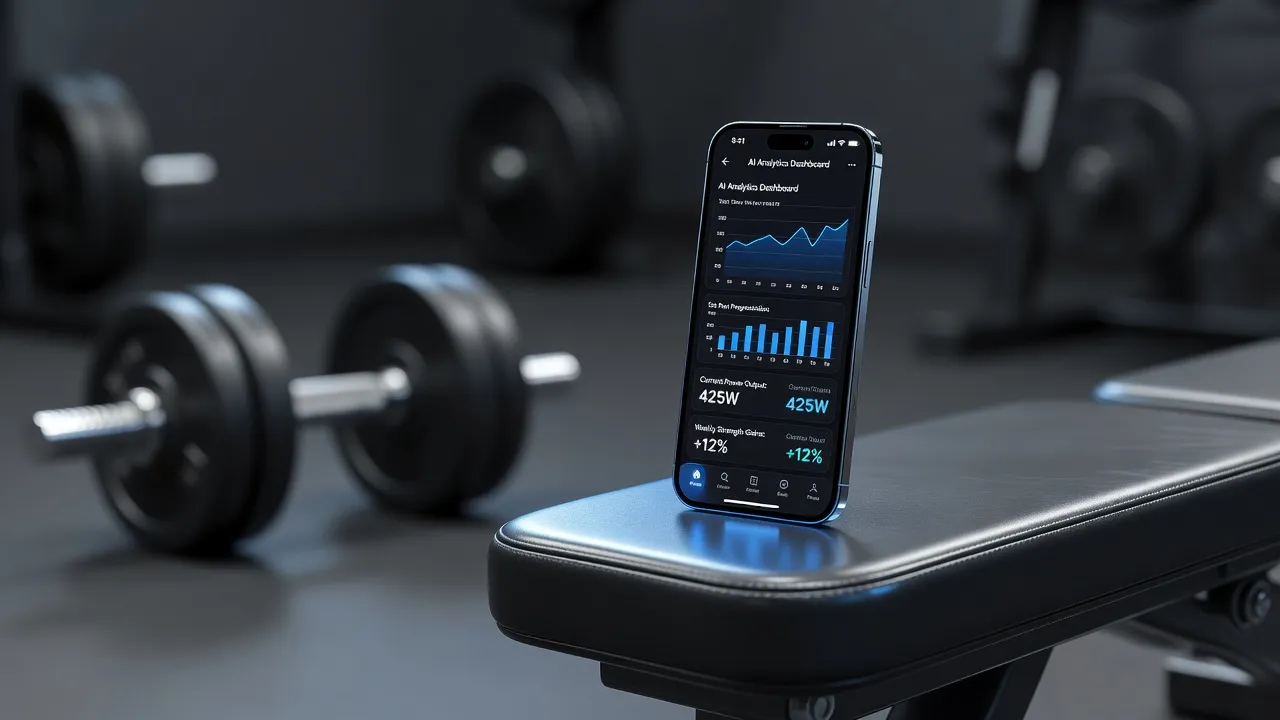
Gym AI tools are software applications that use machine learning algorithms to automate workout planning, track exercise performance, or visually project physical body transformations on user photos. Whether you are building custom strength routines based on muscle fatigue or visualizing a target physique before starting a workout program, these applications replace generic fitness templates with adaptive, data-driven feedback.
What most people get wrong about gym AI in 2026 is assuming every fitness AI platform serves the exact same purpose. Many lifters pay premium prices for smart hardware when an app on their phone provides superior algorithmic workout progression. Others waste months executing random routines because they lack a clear visual goal of what extra muscle mass or reduced body fat actually looks like on their frame. Misunderstanding these tool categories leads to wasted subscription fees and stalled physical progress.
How does the Fitbod AI workout app perform?
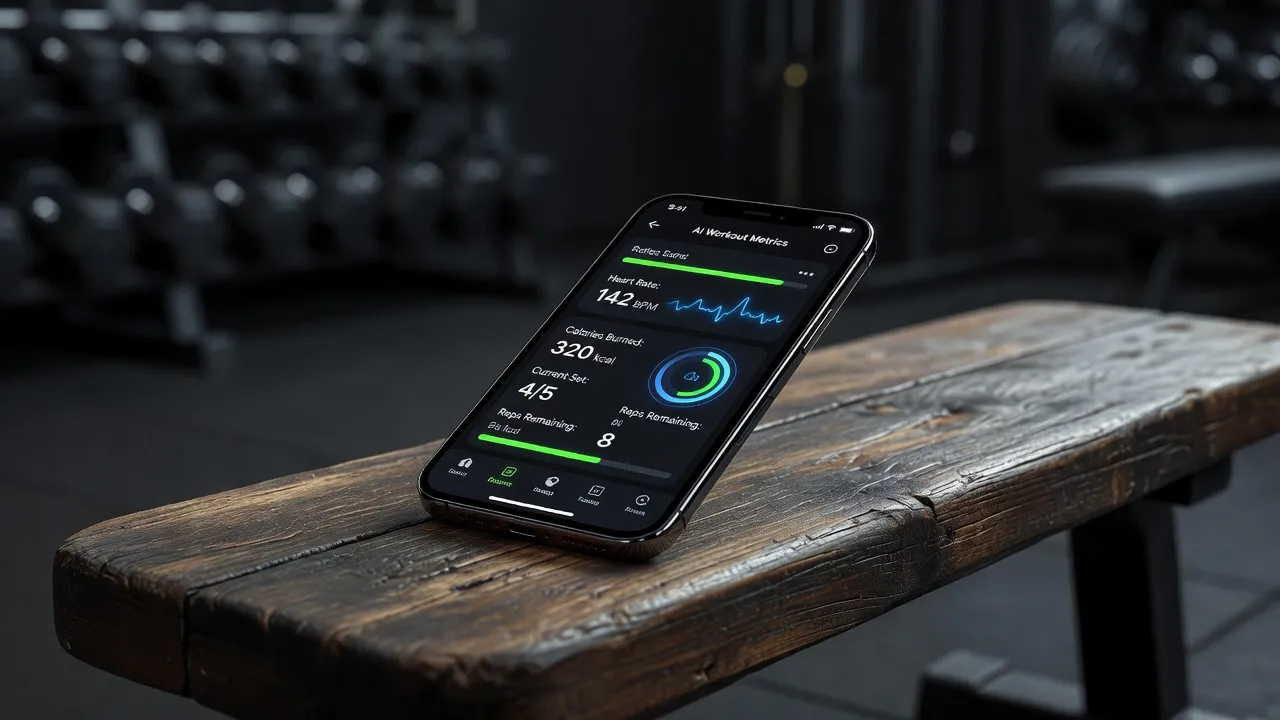
Fitbod performs exceptionally well for weightlifting progression by using dynamic algorithms to calculate muscle fatigue and adjust training volume in real time. The app analyzes your logged sets, reps, and target exercise history to calculate current recovery metrics across major muscle groups.
How does Fitbod construct workout routines?
Fitbod builds workouts by matching available gym equipment to your logged recovery scores and fitness goals. If your chest and triceps are fully recovered, the app automatically prioritizes pressing movements using dumbbells, barbells, or machines present in your logged gym profile.
What are the primary drawbacks of Fitbod?
Fitbod struggles with complex periodization cycles and cardio integration. While the platform excels at daily auto-regulation for hypertrophy and strength, powerlifters preparing for a competition will find the algorithmic exercise selection too variable for structured peaking cycles. According to Fitbod's official app details, the platform requires a subscription of $12.99 per month or $79.99 annually after a free trial period.
BodyBlend: Best Gym AI for Visualizing Physique Goals
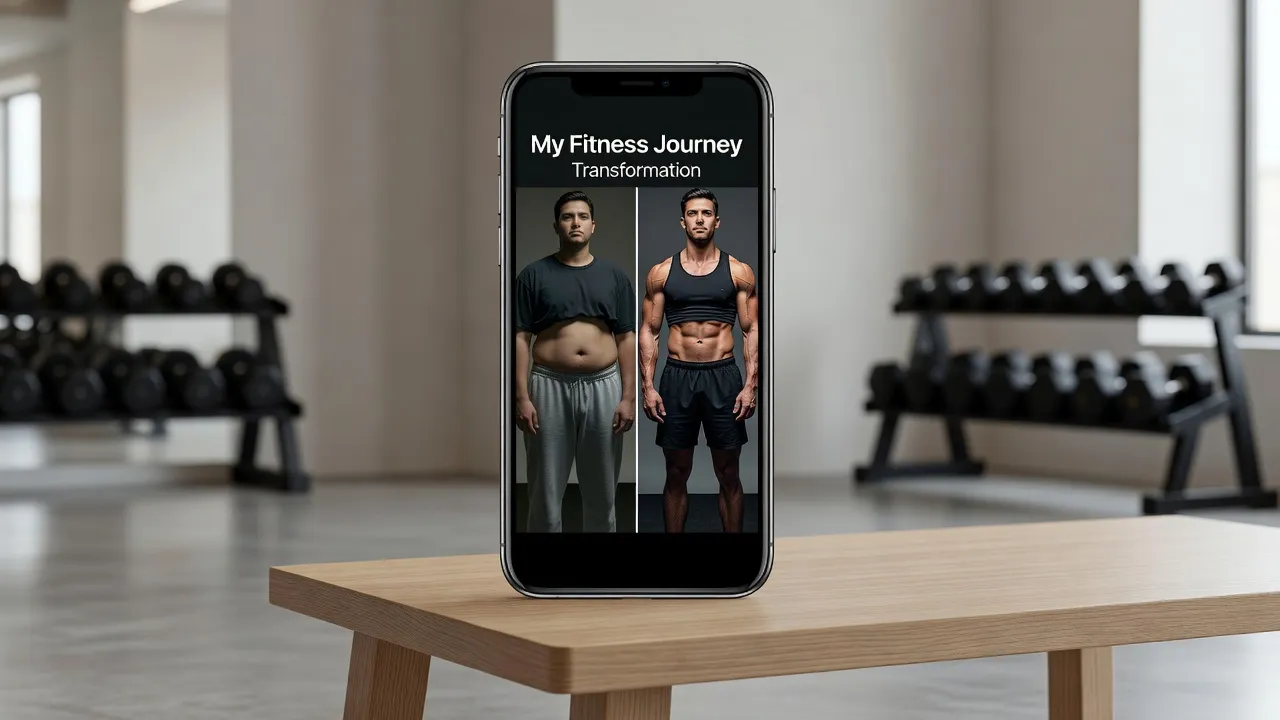
BodyBlend serves as a specialized gym AI app for iPhone, iPad, and Duo that lets users visualize targeted body transformations directly on their own photos. Unlike workout planners that calculate rep counts, BodyBlend applies generative computer vision to show what your physique looks like after building muscle mass or shedding body fat.
How does BodyBlend handle photo edits without distorting backgrounds?
BodyBlend uses intelligent pixel isolation to reshape body parts while leaving face, skin tone, apparel, and background objects untouched. Traditional photo editing tools use Liquify brushes that bend straight lines and warp gym equipment in the background. BodyBlend avoids background warping entirely, making visual goal-setting seamless.
What features does BodyBlend offer for gym motivation?
BodyBlend provides 17 preset body shapes and 11 single body part modifications tailored specifically for male and female figures. Users can stack multiple edits, such as adding visible abs while increasing arm size, to create realistic visual targets before starting a new gym routine.
Core features include:
- 17 Preset Shapes: Select from Muscular, Fit, Ripped, Slim, Hourglass, Curvy, and other targets in one tap.
- 11 Targeted Edits: Adjust specific areas like a small waist, muscular arms, or toned legs without manual painting.
- Warp-Free Processing: Retain original background gridlines, gym floor tiles, and clothing structures automatically.
- Stackable Modifications: Combine upper body muscle additions with lower body trimming for customized visualization.
You can download the app directly on the Apple App Store to test one photo edit for free. Continuing with unlimited exports costs $9.99 per week or $14.99 per month on the BodyBlend platform.
How does Freeletics' AI coach perform?
Freeletics' AI coach performs at an industry-leading level for bodyweight movement analysis and high-intensity interval conditioning. The algorithmic engine builds daily HIIT workouts around time constraints, noise restrictions, and available space while continually adjusting rep schemes based on end-of-session user feedback.
How does Freeletics adapt to user fatigue?
Freeletics adapts workout sessions instantly when users select the Adapt Session option prior to starting. If you are feeling fatigued, short on time, or missing equipment, the AI recalculates movement selections and rest periods to maintain optimal training stimulus.
Where does Freeletics fall short for lifters?
Freeletics is less effective for heavy barbell strength progression compared to dedicated gym tracking applications. As outlined on the official Freeletics site, the platform prioritizes metabolic conditioning and calisthenic skill acquisition over low-rep powerlifting principles.
How does Tempo Studio's AI trainer perform?
Tempo Studio's AI trainer performs best as a form-correction system that uses 3D sensor mapping and computer vision to analyze live barbell and dumbbell movement. The platform measures stroke path, repetition velocity, and joint angles to offer immediate feedback during exercise execution.
How accurate is Tempo's weight tracking?
Tempo tracks barbell plate counts automatically by scanning color-coded weights on compatible hardware. The system tallies total volume completed during a set, alerting you if your lifting speed slows down or if your lower back rounds during deadlifts.
What is the major limitation of Tempo Studio?
Tempo requires significant initial hardware investment and dedicated floor space. According to Tempo's hardware documentation, full functionality relies on proprietary weight plates and 3D camera sensors, making it impractical for standard commercial gym goers.
Comparison of Top Gym AI Applications in 2026
Selecting the right gym AI software depends on whether your priority is workout programming, live form feedback, or photo target visualization. The comparison table below highlights how top-rated platforms perform across major features as of October 2026.
| Gym AI Tool | Best Suited Reader Profile | Primary AI Capability | Pricing Floor (2026) | Key Limitation |
|---|---|---|---|---|
| Fitbod | Intermediate weightlifters | Muscle fatigue calculation & set adjustment | $12.99/month | Limited cardio & barbell periodization |
| BodyBlend | Readers wanting photo goal visualization | 1-tap physique generation without background warp | Free (Pro from $9.99/wk) | Focuses on visual target generation, not workout logging |
| Freeletics | Calisthenics & HIIT enthusiasts | Real-time adaptive conditioning routines | $3.45/week (billed quarterly) | Minimal support for heavy commercial gym equipment |
| Tempo Studio | Home gym owners seeking form coaching | 3D motion tracking & rep velocity analysis | $39/month + hardware purchase | Requires proprietary weights and camera space |
| Peloton AI | Connected cardio & strength users | Movement counting & target heart-rate guidance | $24/month | Best performance requires proprietary Peloton gear |
| Aaptiv | Audio-first gym trainees | Voice-guided smart routine audio generation | $14.99/month | No visual form tracking or computer vision feature |
For lifters who want to pair algorithmic workout planning with visual outcome tracking, combining a workout logger with a dedicated AI body generator gives you both practical metrics and clear visual motivation.
How does the Vi Trainer AI coach app perform?
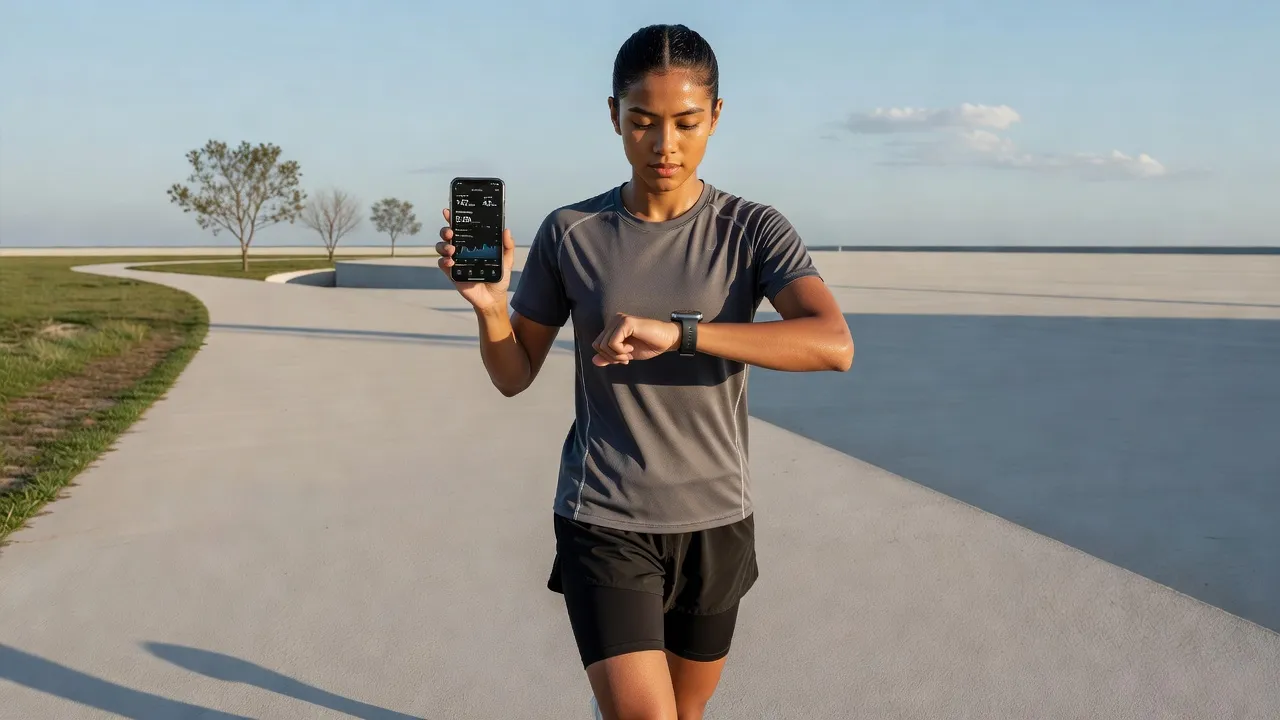
Vi Trainer performs as an audio-based AI running and cardio coach that adjusts audio coaching prompts based on heart rate and stride cadence. The app uses real-time speed metrics to push users during interval runs or advise slower pacing when heart rate spikes above target zones.
How does Vi Trainer deliver live coaching?
Vi Trainer delivers live feedback through voice cues voiced by an interactive synthetic trainer. Rather than relying on static pre-recorded audio tracks, the AI dynamically splices verbal instructions based on live GPS and telemetry data.
What is the primary downside of Vi Trainer?
Vi Trainer offers limited utility for resistance training or gym weightlifting. The platform is tailored almost exclusively for treadmill running, outdoor jogging, and cardiovascular conditioning.
How does the Peloton AI feature perform?
Peloton's AI feature performs primarily as an automated rep counter and movement tracking system across its app and Guide camera hardware. The algorithm uses pose-estimation models to count completed reps, confirm movement completion, and track target body zone coverage across weekly classes.
How does Peloton AI calculate workout target recommendations?
Peloton AI recommends workouts by evaluating your target muscle balance metrics over rolling 7-day periods. If your recent classes heavily emphasized quadriceps and chest, the AI interface surfaces hamstring, glute, and upper back strength workouts on your home screen.
Where does Peloton AI lag behind dedicated gym apps?
Peloton AI operates within a closed content ecosystem. As detailed on Peloton's platform overview, the movement tracking features only function with Peloton-produced video classes rather than self-guided commercial gym sessions.
How does Aaptiv's AI personal trainer perform?
Aaptiv's AI personal trainer performs as a smart workout generator that creates multi-week training plans using audio guidance and video demonstrations. The Smart Plan feature takes your fitness level, target goals, and available equipment to auto-generate weekly workout calendars.
How does Aaptiv customize daily sessions?
Aaptiv customizes routines by prompting users with pre-workout surveys regarding energy levels and available time. The algorithm trims exercise sets or substitutes movement patterns based on your answers before generating the daily audio track.
What are Aaptiv's main limitations?
Aaptiv lacks real-time camera form correction and visual body transformation modeling. Users seeking visual guidance, such as simulating muscle gains using a body weight visualizer, will need dedicated visual software alongside Aaptiv's audio tracks.
How to Choose the Right Gym AI Tool for Your Fitness Goals
Choosing the right gym AI software requires matching the app's core mechanism to your specific training hurdle. If you lack structure on the gym floor, a workout generator solves your problem. If you suffer from a lack of motivation because you cannot picture your end results, visual physique editing tools are far more effective.
When should you choose a workout tracking AI?
You should choose a workout tracking AI like Fitbod or Freeletics if you struggle with progressive overload and routine structure. These tools eliminate guesswork by calculating sets, reps, and rest periods on every exercise based on your past performance.
When should you choose a visual physique generator?
You should choose a visual physique generator like BodyBlend if you need visual target clarity before starting a workout routine. Seeing a realistic version of your own body with added shoulder width, lower fat levels, or defined abdominal muscle provides a tangible target that text-based goals cannot match.
Key factors to evaluate include:
- Hardware Requirements: Confirm whether the AI app works on standard iOS/Android phones or requires external 3D cameras.
- Visual vs. Data Output: Decide whether you need logged weight charts or visual photo targets to stay consistent.
- Background Quality Preservation: When using body editing AI, ensure the app maintains natural background proportions without warping tiles or equipment lines.
- Subscription Flexibility: Verify free trial access or single-generation offers before committing to ongoing weekly or annual plans.
For those comparing specialized aesthetic tools, reviewing a dedicated guide on AI body editor apps will help clarify which editors preserve realistic natural lighting and facial identity best.
Frequently Asked Questions
What is gym AI?
Gym AI refers to applications that use artificial intelligence to automate workout creation, analyze exercise form, track muscle recovery, or visually model physical body changes on photos.
Can gym AI replace a human personal trainer?
Gym AI can replace personal trainers for basic routine creation, weight progression, and workout logging, but it lacks hands-on manual spotting and nuanced physical therapy feedback.
How does AI body visualization help with fitness goals?
AI body visualization creates a realistic photo model of your target physique, giving you a tangible visual reference point for muscle gain or weight loss goals before starting a routine.
Is Fitbod free to use in 2026?
Fitbod offers a free trial that lets you log a limited number of workouts, after which continuing requires a paid subscription starting at $12.99 per month.
Do gym AI photo editors alter the background of pictures?
Basic editing apps bend and warp background lines, but advanced tools like BodyBlend use intelligent isolation to modify body shapes while keeping background gym lines straight.
Which gym AI app is best for home workouts without equipment?
Freeletics is generally considered the top gym AI app for bodyweight workouts because its algorithm specializes in equipment-free HIIT routines and space-constrained training.
How does Peloton AI track exercise reps?
Peloton AI tracks reps using computer vision pose-estimation models through the Peloton Guide camera or smart device cameras during compatible video workout classes.