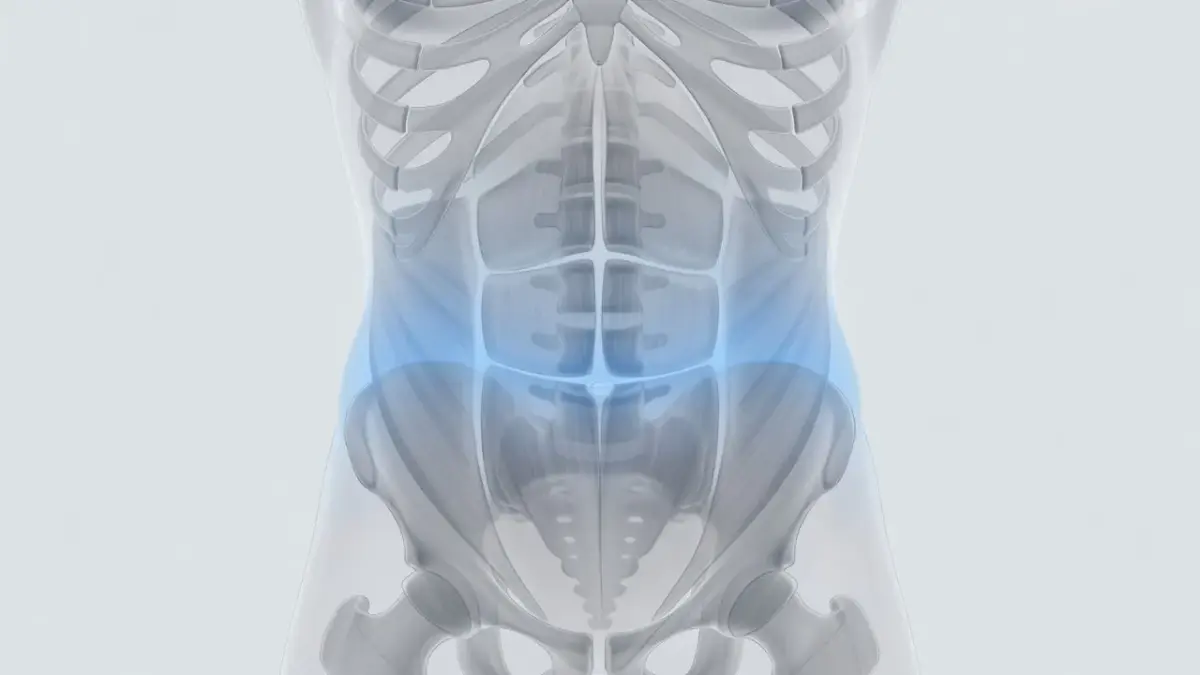
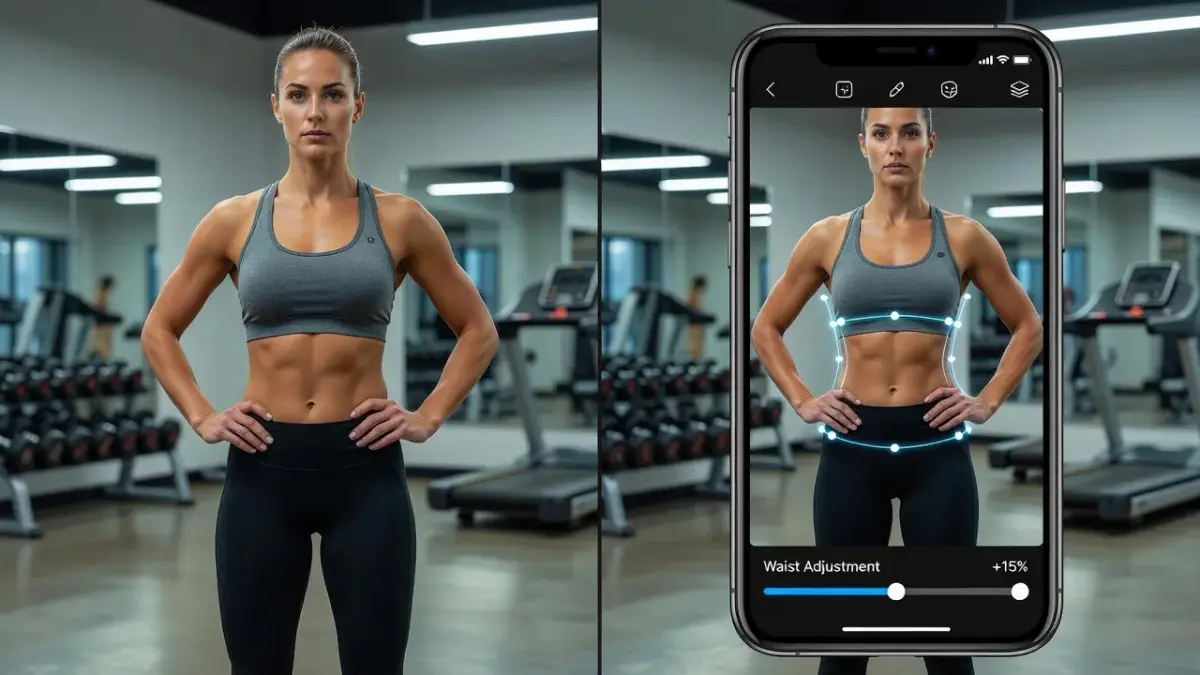
The waist body part is the soft section of the human torso located between the lower margin of the rib cage and the top of the hip bone (iliac crest). Unlike skeletal joints, its visual width shifts based on posture, muscle tone, and subcutaneous fat distribution. If you are tracking a weight loss goal or planning a fitness transformation, seeing how your waist changes in photos often requires tedious manual editing. BodyBlend is an iPhone app that lets you preview a slimmer waist or reshaped torso on your photos without distorting the background.
Where exactly is the waist located on the body?
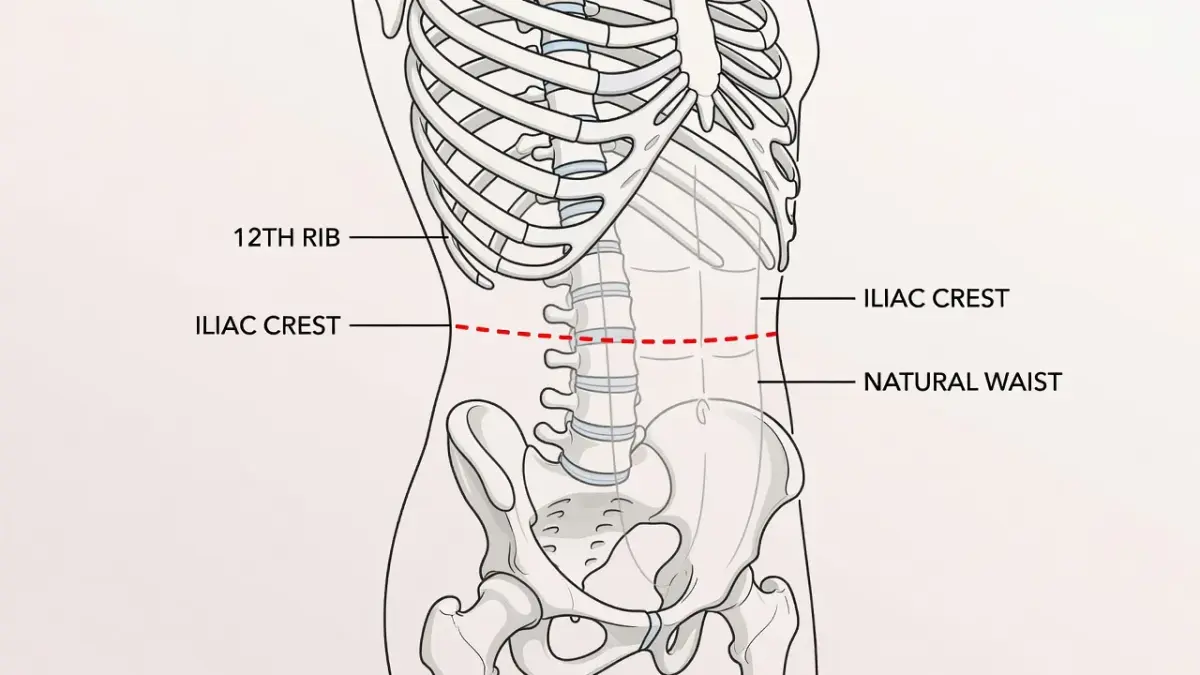
The waist is located on the middle torso between the 12th rib and the top edge of the pelvis. It sits around the height of the navel, though its precise placement varies based on torso length and pelvic structure.
To locate your natural waist manually, bend your torso to one side. The deep skin fold that forms on the side of your body marks the exact height of your natural waistline.
What is the anatomical definition of the waist, and is it the narrowest point of the torso?
Anatomically, the waist is the segment of the abdominal trunk situated between the thorax and pelvis, but it is not always the narrowest point of the torso. While popular culture treats the waist as the slimmest pinch of the belly, skeletal structure dictates the visual taper.
People with short torsos or wide rib cages may find their narrowest point sits higher up near the mid-ribs. Others with wide pelvic bones might not have a distinct inward curve at all, despite having low body fat.
How does the WHO measure waist circumference at the midpoint between the last rib and the iliac crest?
The World Health Organization (WHO) measures waist circumference at the exact midpoint between the lowest palpable rib and the top of the iliac crest. According to the official WHO STEPwise approach to NCD risk factor surveillance, the measurement must be taken at the end of a normal exhalation.
Read from top to bottom, the landmarks are:
- Rib Cage Bottom (12th Rib)
- WHO Measuring Point (Midpoint), branching off the line between the rib cage bottom and the iliac crest
- Iliac Crest (Top of Hip Bone)
The tape measure is held parallel to the floor without compressing the soft skin. This technique neutralizes variations caused by high or low belly button placement.
How do the CDC and NIH measure waist circumference at the iliac crest?
The CDC and National Institutes of Health (NIH) measure waist circumference directly at the uppermost lateral border of the iliac crest. Detailed in the CDC NHANES Anthropometry Procedures Manual, this standard requires placing the tape horizontally right above the hip bone.
Healthcare workers locate the hip bone landmark by feeling the side of the pelvis. This method is widely preferred in clinical screenings because finding the top of the bone is simpler than calculating a midpoint.
What anatomical boundaries separate the waist from the thorax and pelvis?
The upper boundary of the waist is the inferior margin of the rib cage, while the lower boundary is the iliac crest of the pelvis. Posteriorly, the lumbar spine forms the structural wall behind the abdominal cavity.
The anterior and lateral sides of the waist have no bone support. Instead, they rely on abdominal muscle layers - including the rectus abdominis, internal obliques, external obliques, and transverse abdominis - to hold internal organs in place.
Is the waist an official term in Terminologia Anatomica?
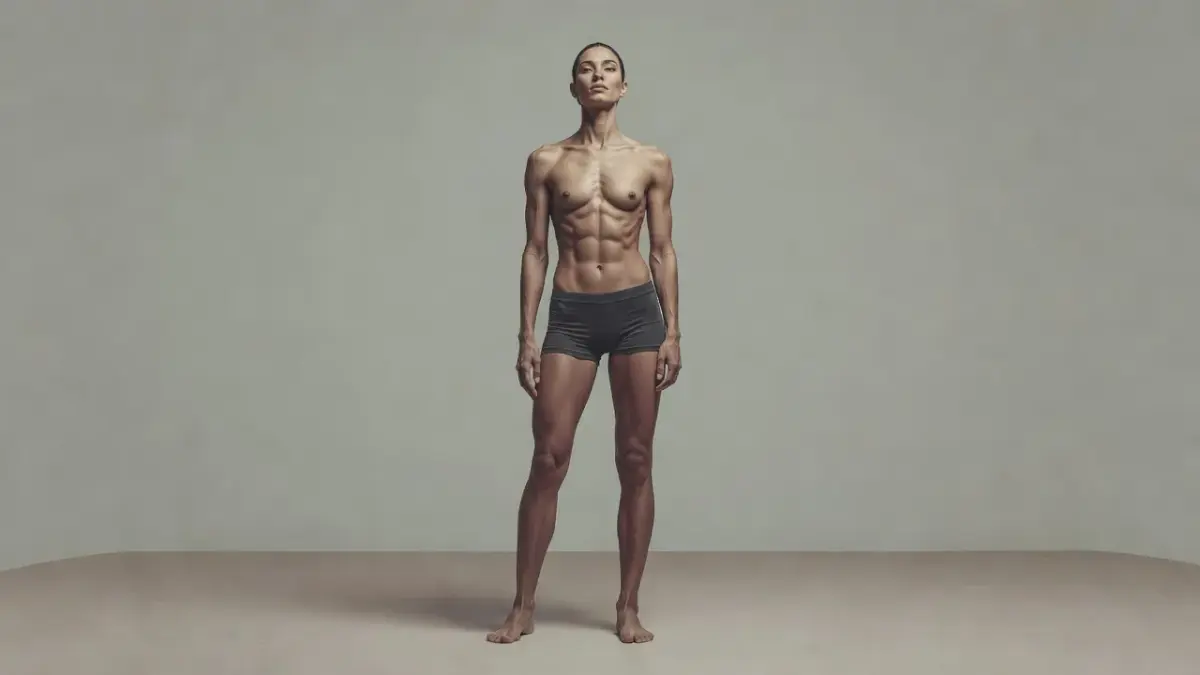
No, the term "waist" does not appear as an official anatomical region in Terminologia Anatomica (TA), the international standard for human anatomical terminology. According to the International Federation of Associations of Anatomists (IFAA), the body region is categorized under formal terms like the abdominal region (regio abdominalis) or lumbar region (regio lumbalis).
The word "waist" remains a everyday, tailor, and clinical term rather than a formal anatomical designation. Medical professionals reference specific vertebral levels (like L2 to L4) instead of relying on the word waist.
Visualizing Waist Reshaping: How Photo Editing Software Has Changed in 2026
Editing your body shape on photos used to require complex desktop tools or manual Liquify sliders that warped background lines. As of November 2026, manual editing tools are rapidly being replaced by targeted AI body editors that alter the physique while leaving the background untouched.
When using older photo editing techniques, slimming the waist frequently resulted in bent doorframes, wavy tiles, or blurred clothes. Modern visualizers bypass manual warping altogether by identifying bodily boundaries automatically.
If you are tracking a fitness transformation or want to clean up your social photos, BodyBlend offers a streamlined approach:
- 11 Single Body Part Edits: Select specific targets like a small waist, flat belly, or muscular arms without changing the rest of your body.
- Unwarped Backgrounds: The underlying AI redrafts the target area while keeping straight lines, wall patterns, and background objects crisp.
- Preserved Personal Details: Facial features, skin texture, and clothing patterns remain untouched during the edit.
You can learn more about understanding natural body proportions to set realistic visual goals before adjusting your photos.
Skeletal Structure vs. Fat Distribution: What Controls Your Waist Size?
Your waist measurement is dictated by a combination of bone geometry, visceral fat, subcutaneous fat, and muscle mass. You can alter fat and muscle through training, but your skeletal layout is permanently fixed.
The Role of Rib Cage and Pelvic Width
The distance between your bottom rib and your hip bone defines your waist length. People with long torsos naturally have more space between these bones, creating a more dramatic visual waist taper.
If you have a short torso, your ribs sit right above your hips. This leaves little room for an inward pinch, meaning your waist will appear straight even at low body fat levels.
Subcutaneous vs. Visceral Fat
Fat around the middle comes in two distinct forms:
- Subcutaneous Fat: Sits directly under the skin and above the abdominal wall. This is the soft fat you can pinch with your fingers.
- Visceral Fat: Stored deep inside the abdominal cavity around your internal organs. High amounts of visceral fat push the abdominal wall outward, creating a firm, rounded waistline.
Reducing overall body fat shrinks both stores, but visceral fat usually responds quickly to metabolic changes and exercise.
Abdominal Muscle Tone
The transverse abdominis acts as a natural corset inside your belly. When this deep muscle layer is weak, your stomach contents push outward against the abdominal wall.
Targeted core training helps pull the midsection tight, reducing your standing waist size without altering bone structure. For more photo-specific advice, check out these posing techniques to look slimmer on camera.
Health Metrics Protocols vs. Visual Waist Landmarks
Because clinical groups and visual designers locate the waist differently, measuring points vary depending on your goal.
| Measurement Standard | Physical Landmark | Primary Goal | Key Advantage |
|---|---|---|---|
| WHO Standard | Midpoint between 12th rib and iliac crest | Metabolic health screening | Accounts for variable rib structures |
| CDC / NIH Standard | Top of the iliac crest (hip bone) | Large-scale health surveys | Simple to locate consistently on patients |
| Natural Waist (Tailoring) | Narrowest pinch of the soft torso | Clothing fit and pattern drafting | Highlights the natural body taper |
| Visual / Photo Editing | Mid-abdomen above the navel | Esthetic proportions and framing | Creates balanced torso-to-hip ratios |
Understanding these distinctions prevents confusion when comparing health charts against tailoring guides. To explore how proportions influence body aesthetic standards, read about how curves and waist-to-hip ratios work.
How to Accurately Measure Your Waist at Home
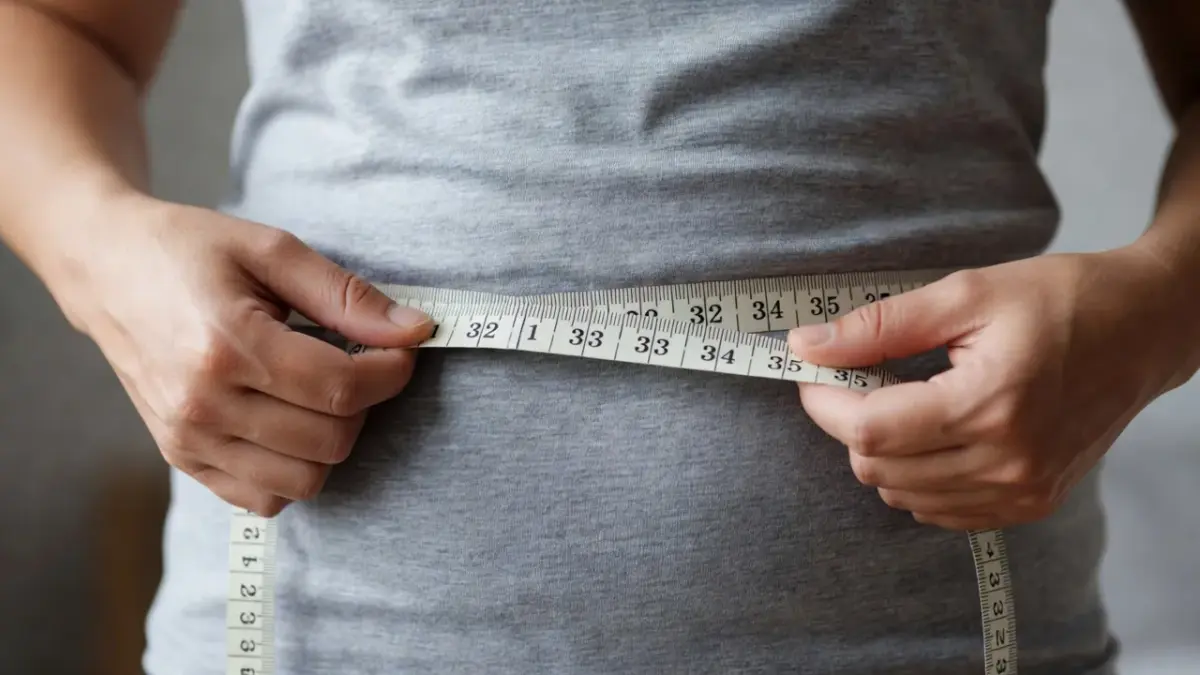
To get an accurate waist measurement, use a flexible vinyl tape measure directly against your bare skin. Avoid measuring over heavy shirts or pulling the tape too tight.
- Stand up straight: Keep your feet shoulder-width apart and relax your abdominal muscles.
- Find your chosen landmark: Feel for the top of your hip bone (CDC method) or locate the midpoint between your bottom rib and hip (WHO method).
- Wrap the tape horizontally: Ensure the tape sits flat around your torso without twisting or digging into your skin.
- Breathe normally: Exhale gently, then take the reading on the tape. Never suck in your stomach while taking a health measurement.
Tracking this number over time gives a clearer picture of body composition changes than relying on scale weight alone.
Editing Your Waist in Photos: Why Traditional Tools Fall Short
If you have tried using standard photo tools like Photoshop Liquify or manual stretch sliders to adjust your waist in photos, you know how fragile the process can be.
Manual warping drags pixels across the screen. If you are standing near a doorframe, a brick wall, or a gym rack, pushing your waist inward pulls the background right along with it.
Manual Liquify Tool: The steps run in order, each feeding into the next:
- Background Line
- Warped Curve (fed from Background Line)
- Unnatural Photo (fed from Warped Curve)
AI Body Reshaping: The steps run in order, each feeding into the next:
- Background Line
- Stays Straight (fed from Background Line)
- Natural Photo (fed from Stays Straight)
Modern body editing software solves this by treating the foreground subject and background background as separate layers.
I'd skip manual Liquify sliders entirely unless you are proficient with complex layer masking. For fast, reliable photo adjustments on mobile devices, dedicated AI engines save time while preventing broken backgrounds.
If you want to edit your photos effortlessly, our app BodyBlend lets you adjust your waist with a single tap. Download it from the App Store to edit your photos cleanly.
Frequently Asked Questions
What is the waist-to-hip ratio, and why does it matter?
The waist-to-hip ratio (WHR) is calculated by dividing your waist measurement by your hip measurement. Health organizations use WHR to evaluate fat distribution and assess cardiovascular health risks.
Why is my waist larger in the evening than in the morning?
Your waist size fluctuates throughout the day due to water retention, food digestion, and abdominal bloating. Measuring yourself right after waking up provides the most consistent baseline.
Can you shrink your bone structure at the waist?
No, you cannot change the width of your rib cage or pelvic bones through diet or exercise. Core exercises and body fat reduction can only alter the soft tissue and muscle layer covering those bones.
Is the waist located above or below the belly button?
For most people, the natural waist sits about an inch or two above the belly button. However, abdominal geometry varies, and some people's natural pinch sits directly aligned with the navel.
What is considered a healthy waist circumference for adults?
The NIH guidelines state that health risks increase for non-pregnant women with a waist circumference over 35 inches, and for men with a waist circumference over 40 inches.
Why does my background bend when I edit my waist in photo apps?
Background bending happens when apps use traditional pixel-stretching tools like Liquify. AI body editors avoid this by separating the human body from background elements during image processing.
Can stomach vacuum exercises reduce your waist size?
Stomach vacuum exercises strengthen the transverse abdominis muscle, which helps hold your abdominal wall tight. While vacuums cannot burn spot fat, improved muscle tone can reduce your relaxed waist measurement.