A shredded body type is characterized by an exceptionally low body fat percentage (typically under 10% for men and under 18% for women) that reveals sharp muscle contours, visible abdominal striations, and pronounced vascularity. Achieving this look requires stripping away subcutaneous fat while holding onto existing muscle tissue through structured nutrition and heavy resistance training. If you want to preview how a leaner frame looks on your own photos before starting a diet, our iPhone app BodyBlend lets you simulate target body shapes in one tap without warping your background.
What defines a shredded body type vs. a toned or athletic physique?
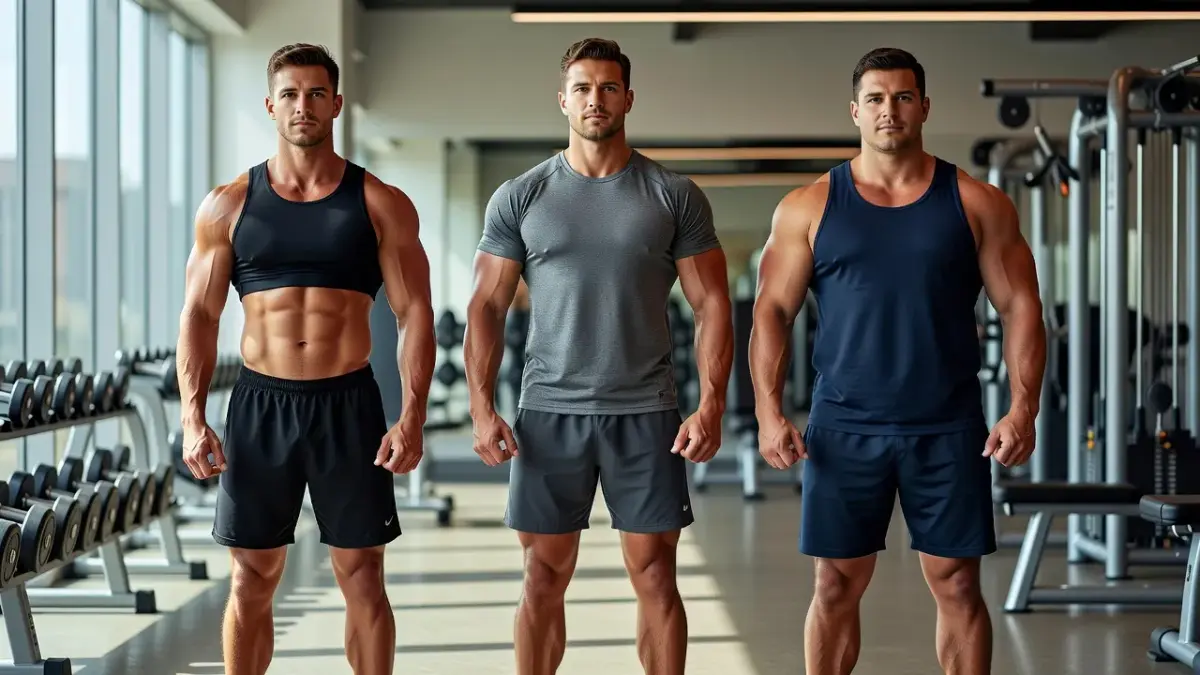
A shredded physique differs from a basic toned or athletic body type primarily by its extremely low level of body fat and high muscle separation. While a "toned" body features moderate muscle definition at average body fat levels, a shredded body displays minimal skinfold thickness, distinct muscle bellies, and deep separation between adjacent muscle groups.
Understanding the differences between these physical benchmarks helps you set realistic expectations for your diet and training program:
- Toned physique: Characterized by healthy body fat levels (around 14-17% for men, 21-24% for women) with visible muscle shape, but without severe vascularity or deep abdominal grooves.
- Athletic physique: Built for performance, typically resting at 11-14% body fat for men and 18-21% for women, showing solid muscularity and broad shoulders without paper-thin skin.
- Shredded physique: Pushes body fat into single digits for men (6-9%) and lower ranges for women (14-17%), exposing clear muscle fibers, shoulder striations, and abdominal veining.
If you are currently evaluating your baseline before starting a cut, reviewing a complete fitness transformation guide can help you establish realistic timelines for your starting body fat percentage.
How to visualize a shredded body shape on your photos with BodyBlend
Visualizing your end goal on your own photos makes it much easier to stay consistent through months of strict dieting. Rather than guessing how your shoulders, waist, or abs will look at single-digit body fat, using a dedicated editor gives you an instant visual target.
Many standard photo editing tools rely on manual Liquify brushes that bend background walls, stretch doorframes, and distort clothing patterns. BodyBlend solves this issue by applying generative AI to isolate the body from the background entirely.
When using BodyBlend on your iPhone, you can choose from 17 preset body shapes (such as Muscular, Fit, or Ripped) or apply 11 targeted body edits to adjust specific areas like visible abs, muscular arms, or a smaller waist. The app preserves your facial features, skin tone, clothing textures, and surrounding environment, keeping background lines perfectly straight.
Visual Goal Tracking Options for Fitness Progress
| App / Tool | Key Capability & Best Use Case |
|---|---|
| BodyBlend (iOS App) | One-tap AI physique edits (Muscular, Ripped) without background warping or manual sliders. |
| Photoshop (Liquify Tool) | Manual pixel warping; requires photo editing skills and careful background masking. |
| 3D Avatar Visualizer Websites | Generates generic 3D human models based on height, weight, and waist measurements. |
For broader photo comparisons, you can also explore the best AI body editor apps to see how different visual generators handle background preservation and anatomy alignment.
Body fat percentages and physical markers of a shredded body type
Reaching a shredded appearance depends directly on reaching specific body fat thresholds where skin lays flush against underlying muscle. According to body composition data published on Wikipedia, essential fat levels sit around 2-5% for men and 10-13% for women, making a shredded state close to the limit of sustainable body fat reduction.
The table below breaks down the visual markers, fat ranges, and typical dieting requirements for different body composition tiers:
| Body Fat Level | Male Fat % | Female Fat % | Key Visual Characteristics | Primary Dieting Requirement |
|---|---|---|---|---|
| Shredded | 6% - 9% | 14% - 17% | Deep ab striations, vascularity on quad/shoulder, minimal skinfold thickness | Extended, precise calorie deficit with high protein intake |
| Athletic / Fit | 10% - 14% | 18% - 22% | Clear six-pack, defined arm muscles, light shoulder separation | Moderate deficit or maintenance calories with heavy lifting |
| Average / Toned | 15% - 19% | 23% - 27% | Full muscle outline visible under light, soft midsection contours | General fat loss nutrition plan and regular exercise |
| Contest Ready | 4% - 5% | 11% - 13% | Paper-thin skin, glute striations, extreme vascularity (short-term only) | Peak week water/carb manipulation, unsustainable long-term |
Notice that a shredded state sits just above competitive bodybuilding contest shape. In my opinion, attempting to drop below 6% body fat as a non-competitor is counterproductive because metabolic rate drops significantly and muscle loss risks skyrocket.
To understand how muscle tone presents at various body fat levels, check out our deep-dive on toned body definition and science.
How much protein per day do you need to get shredded while preserving lean mass?
You need between 1.0 and 1.4 grams of protein per pound of lean body mass (2.3 to 3.1 grams per kilogram) per day when dieting down to a shredded state. During an aggressive fat-loss phase, your body naturally draws on amino acids for fuel, making high protein intake necessary to prevent your system from breaking down muscle tissue.
A research review by Eric Helms and colleagues published in the Journal of the International Society of Sports Nutrition highlights that leaner individuals require higher relative protein intakes during calorie restriction than those with higher body fat reserves. As body fat drops, the risk of muscle catabolism increases sharply.
To meet these elevated daily protein targets effectively, structure your daily meals using high-yield protein sources:
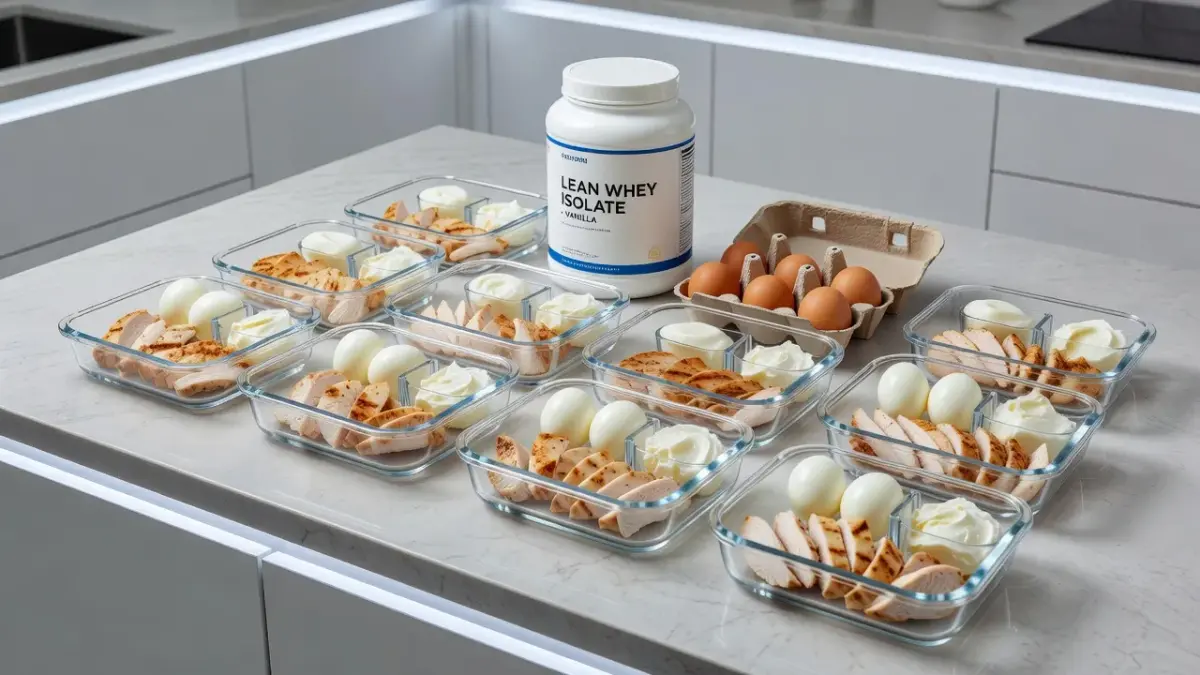
- Chicken and turkey breast: Delivers roughly 31 grams of protein per 100 grams with minimal dietary fat.
- Egg whites and whole eggs: Offers high biological value amino acids; combine whole eggs with extra whites to control calorie density.
- Whey protein isolate: Provides rapid digestion post-workout with zero sugar and negligible fat content.
- Low-fat Greek yogurt or cottage cheese: Contains slow-digesting casein protein, ideal for consumption before bed to maintain muscle protein synthesis overnight.
How large a calorie deficit is best for getting shredded without losing muscle?
The optimal calorie deficit for reaching a shredded body type is 15% to 25% below your total daily energy expenditure (TDEE), which yields a weight loss rate of 0.5% to 1.0% of total body weight per week. Cutting calories too quickly forces your body to consume muscle mass alongside fat stores, leaving you flat rather than shredded.
A systematic review indexed on PubMed indicates that slow rates of energy restriction preserve significantly more lean tissue and neuromuscular power during fat loss phases in trained athletes.
Here is how to calculate and adjust your calorie deficit as your body weight drops:
- Determine your TDEE: Multiply your current body weight in pounds by 14-16 depending on your daily physical activity level.
- Apply a 20% deficit: Subtract 20% from your TDEE calculation to set your daily energy target.
- Track weekly weight averages: Weigh yourself daily upon waking and average the numbers every seven days to filter out water fluctuations.
- Adjust when weight plateaus: If your weekly weight average does not change for two consecutive weeks, decrease daily calories by 100-150 or increase daily step counts.
As of November 2026, standard sports nutrition guidelines strongly advise against staying in a deficit for longer than 12-16 consecutive weeks without taking a short maintenance refeed break.
Is HIIT or steady-state cardio better for getting shredded?
Low-intensity steady-state cardio (LISS) is generally better than high-intensity interval training (HIIT) when trying to get shredded because it burns extra calories without interfering with muscle recovery. HIIT exerts a heavy toll on your central nervous system and legs, which can reduce your strength performance during heavy weight training sessions.
While HIIT burns more calories per minute, LISS allows you to burn fat while conserving energy for your primary compound lifts.
LISS Cardio vs. HIIT for Shredded Body Goals
The LISS table comes first, and the HIIT table sits directly below it.
| Factor | LISS (Walking, Incline Treadmill, Cycling) |
|---|---|
| Primary Energy Source | Higher percentage of fat oxidation |
| Impact on Recovery | Minimal central nervous system stress |
| Injury Risk During Deficit | Extremely low |
| Factor | HIIT (Sprints, Bike Intervals, Sled Pushes) |
|---|---|
| Primary Energy Source | Higher total glycogen and carbohydrate burn |
| Impact on Recovery | High muscle damage and fatigue accumulation |
| Injury Risk During Deficit | Moderate to high under low calorie energy |
I recommend starting with 8,000 to 10,000 daily steps via outdoor walking or low-incline treadmill sessions. Add formal cardio sessions only when weight loss slows down, keeping heart rates around 60-70% of your maximum heart rate.
Does intermittent fasting help with fat loss and muscle retention when getting shredded?
Intermittent fasting does not superiorly burn fat compared to continuous calorie restriction when total daily calories and protein are matched, but it can simplify adherence. Restricting your eating window to 8 hours daily makes smaller calorie budgets feel more satisfying by allowing for larger, more substantial meals.
The primary potential downside of fasting during an intensive lean cut is the spacing of muscle protein synthesis triggers. Spreading protein intake across 4 distinct meals separated by 3 to 4 hours optimizes muscle retention better than cramming your daily protein into 1 or 2 meal windows.
If you choose to use intermittent fasting, consider these practical rules:
- Keep protein high during windows: Ensure every meal inside your feeding window contains at least 30-40 grams of high-quality protein.
- Schedule workouts near meals: Train right before or during your eating window so post-workout recovery nutrients are available immediately.
- Stay hydrated during fasts: Drink plain water, black coffee, or unflavored green tea during non-eating hours to keep appetite under control.
How should resistance training and progressive overload be programmed to get shredded?
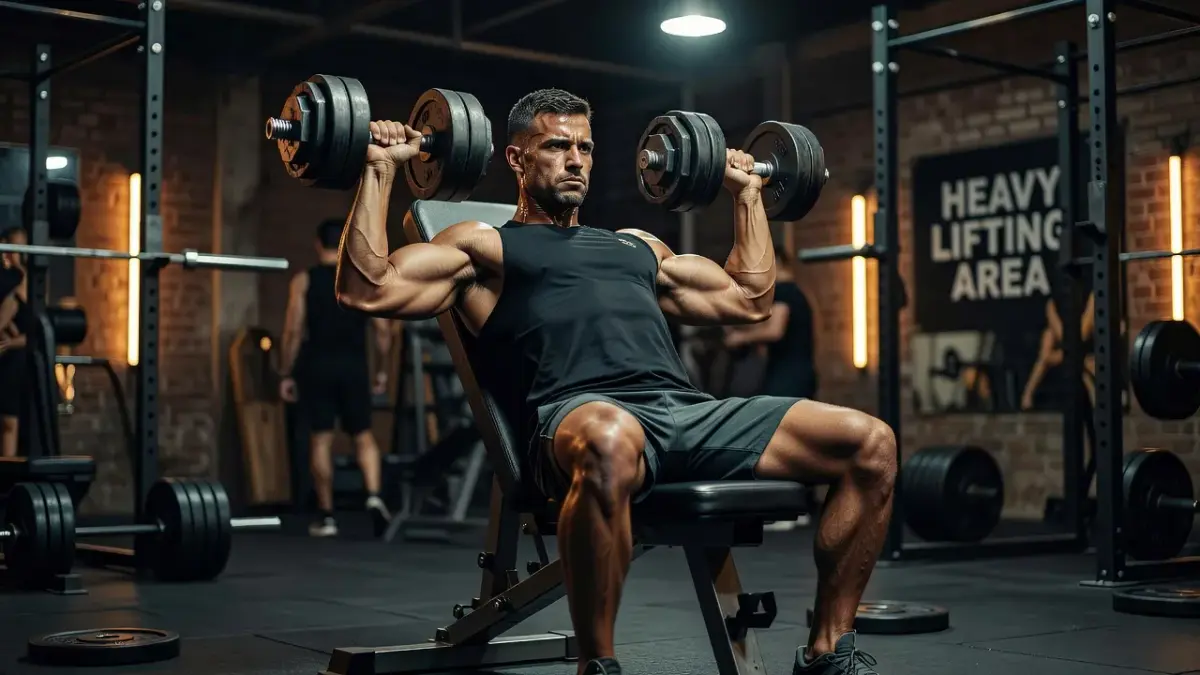
Resistance training during a cut must focus on maintaining absolute load and mechanical tension rather than switching to light weights for high repetitions. The weight on the bar gives your body the signals needed to keep muscle tissue; if you drop the resistance to perform "burning" 25-rep sets, your body loses its incentive to preserve thick muscle bellies. Our muscle fat ratio guide explains how to build muscle while losing fat.
To maximize upper-body aesthetics while stripping fat, prioritize compound movements that build a upper-body taper. Reviewing key upper-body ratios like the V shape torso guide can show you how lat and shoulder width creates the visual impression of an even narrower waist.
Structure your training routines around these programming principles:
- Maintain heavy intensity: Keep load in the 6-10 rep range for major compound lifts like incline presses, weighted pull-ups, and squat variations.
- Reduce total set volume: Cut total training sets by roughly 20-30% compared to a bulking phase to match your lowered recovery capacity.
- Focus on progressive overload retention: Aim to lift the exact same weights you used before your diet began, treating any strength maintenance as a success.
- Include strategic isolation work: Add lateral raises, triceps extensions, and calf raises to maintain detail in peripheral muscle groups.
Do carb cycling, IIFYM, creatine, and caffeine help you get shredded?
Carb cycling, IIFYM (If It Fits Your Macros), creatine, and caffeine are highly effective tools that facilitate steady fat loss, preserve strength, and improve dietary consistency. Each of these methods addresses a specific physiological or psychological challenge encountered during prolonged calorie deficits.
Here is how to deploy each strategy effectively during your cut:
- Carb cycling: Alternating between high-carb days on heavy training days and low-carb days on rest days keeps workout performance high while optimizing overall weekly fat burn.
- IIFYM flexible dieting: Allowing 10-15% of your daily calories to come from non-traditional foods helps prevent binge eating without derailing energy deficits.
- Creatine monohydrate: Supplementing with 5 grams daily maintains intra-muscular hydration and ATP production. Detailed performance reviews on Examine.com confirm that creatine preserves muscular power and cell volume even when low body fat flattens muscle storage.
- Caffeine intake: Consuming 150-300 mg of caffeine prior to training blunt appetite perception and offsets the natural lethargy caused by reduced caloric intake.
Common mistakes that stop people from reaching a shredded body shape
The most common mistake people make when attempting to get shredded is changing their training variables too frequently while cutting calories too aggressively. Dropping daily energy intake too far too fast causes rapid metabolic adaptation, extreme hunger, and loss of lean tissue.
Avoid these four frequent traps during your fat-loss phase:
- Cutting calories too low at the start: Dropping straight to 1,200 calories leaves you with zero room to adjust when fat loss naturally stalls a few weeks later.
- Switching to light weights and high reps: Replacing heavy compound presses with 30-rep light cable crossovers removes the stimulus keeping your muscle intact.
- Overdoing high-intensity cardio: Adding daily HIIT sessions alongside an energy deficit causes excessive muscle fatigue and joint soreness.
- Misjudging body fat progress: Relying strictly on bathroom scale weight instead of taking progress photos or using digital visualization leads to early frustration.
Tracking progress accurately requires patience and objective measurement tools. Using photo visualization alongside steady diet adjustments guarantees that your final reveal shows a dense, defined physique rather than a depleted frame.
Frequently Asked Questions
Can you build muscle and get shredded at the same time?
Yes, building muscle while getting shredded (known as body recomposition) is possible for beginners, individuals returning from a training break, or those carrying higher starting body fat. However, experienced lifters who are already lean will find it nearly impossible to gain substantial new muscle mass while operating in the calorie deficit required to reach single-digit body fat.
How long does it realistically take to get a shredded body type?
It realistically takes between 12 and 24 weeks to get shredded, depending on your starting body fat percentage. A safe rate of fat loss is 0.5% to 1.0% of your body weight per week, meaning someone at 16% body fat will need around 12 to 16 weeks of consistent dieting to reach a sharp 8% body fat level.
Will getting shredded slow down your natural metabolism?
Yes, reaching very low body fat causes adaptive thermogenesis, where your metabolic rate slows down as your body attempts to conserve energy. This drop occurs because your body weighs less, non-exercise movement decreases, and thyroid hormone production decreases slightly during prolonged calorie restriction.
Does getting shredded cause muscle loss?
Getting shredded can lead to muscle loss if your calorie deficit is too large, your protein intake is too low, or you abandon heavy resistance training. By keeping your deficit around 20%, eating 1.0-1.4g of protein per pound of lean mass, and lifting heavy weights, you can minimize or eliminate muscle loss during your cut.
What is the difference between a ripped body type and a shredded body type?
The terms "ripped" and "shredded" are often used interchangeably, but "shredded" typically refers to a lower level of body fat with visible skin striations and vascularity. A ripped physique indicates clear abdominal visibility and low body fat (around 9-11% for men), whereas a shredded physique reaches single digits (6-8% for men) with paper-thin skin density.
Why do muscles look smaller and flatter when you first get shredded?
Muscles look flatter when dieting down because muscle glycogen stores and bound water drop significantly due to reduced carbohydrate intake. Once you finish your diet phase and gradually increase your carbohydrates back to maintenance levels, your muscles refill with glycogen and look much fuller while remaining lean.
Are abs required to have a shredded body shape?
Yes, visible, defined abdominal muscles are a defining baseline requirement for a shredded body shape. Because the abdomen is typically one of the last places the human body sheds fat stores, having clear six-pack definition confirms that overall body fat is low enough to qualify as shredded.