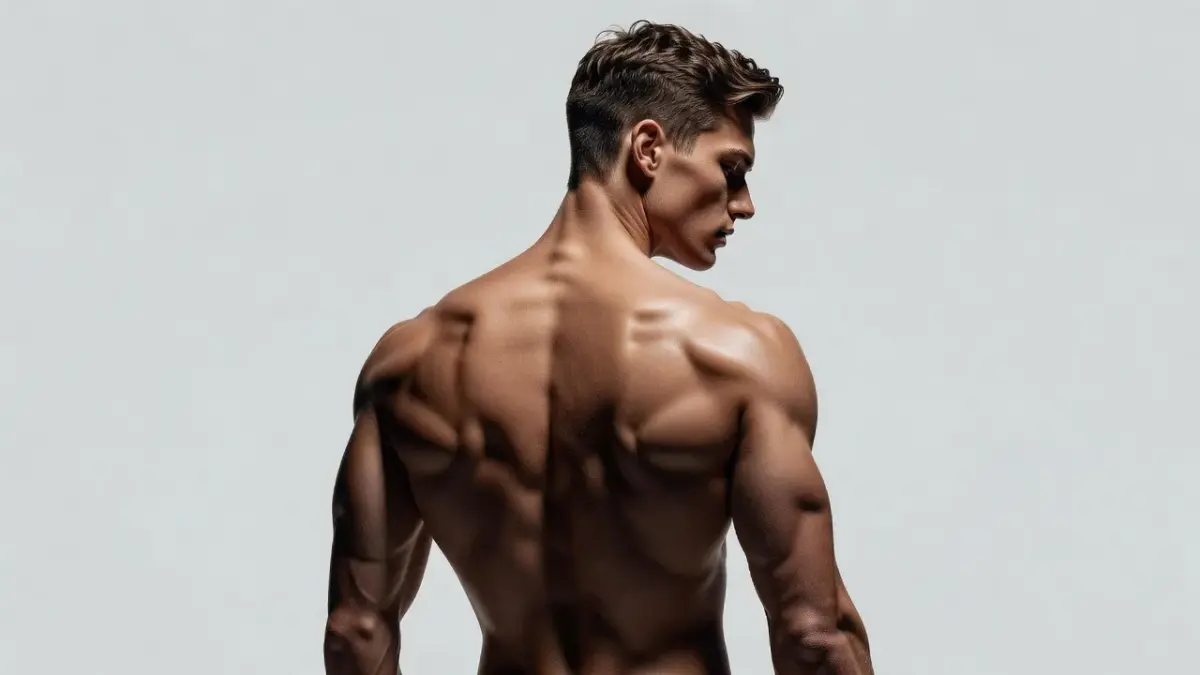
A V shape torso is a physical physique characterized by broad shoulders, a wide upper back, and a narrow waist that creates a V-like taper from the shoulders down to the hips. Often called a V-taper, this silhouette is built primarily by developing the latissimus dorsi (lats) and deltoids while maintaining a low body fat percentage around the midsection. It remains one of the most sought-after proportions in athletic conditioning, classic bodybuilding, and modern aesthetic photography.
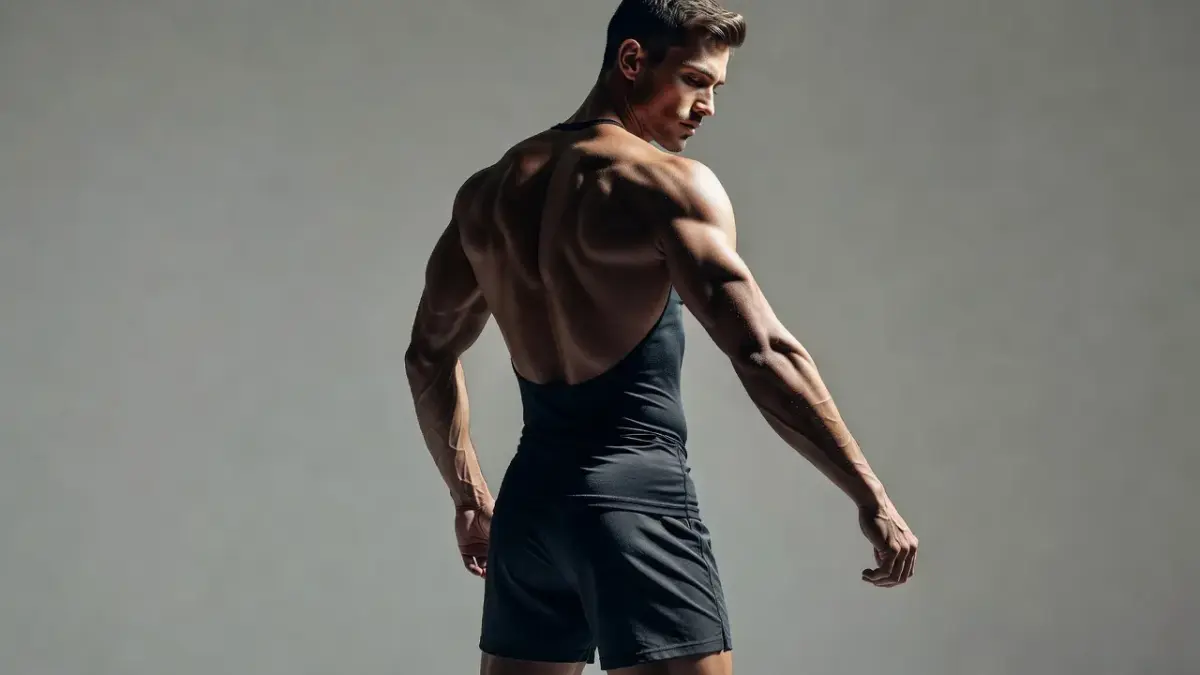
What Makes Up a V Shape Torso?
The classic V shape torso depends on three primary anatomical components working together: shoulder width, back width, and waist circumference. When these areas hit specific proportional markers, the visual illusion of a taper appears instantly.
Understanding the specific muscle groups that build this look helps separate real physical potential from unrealistic expectations:
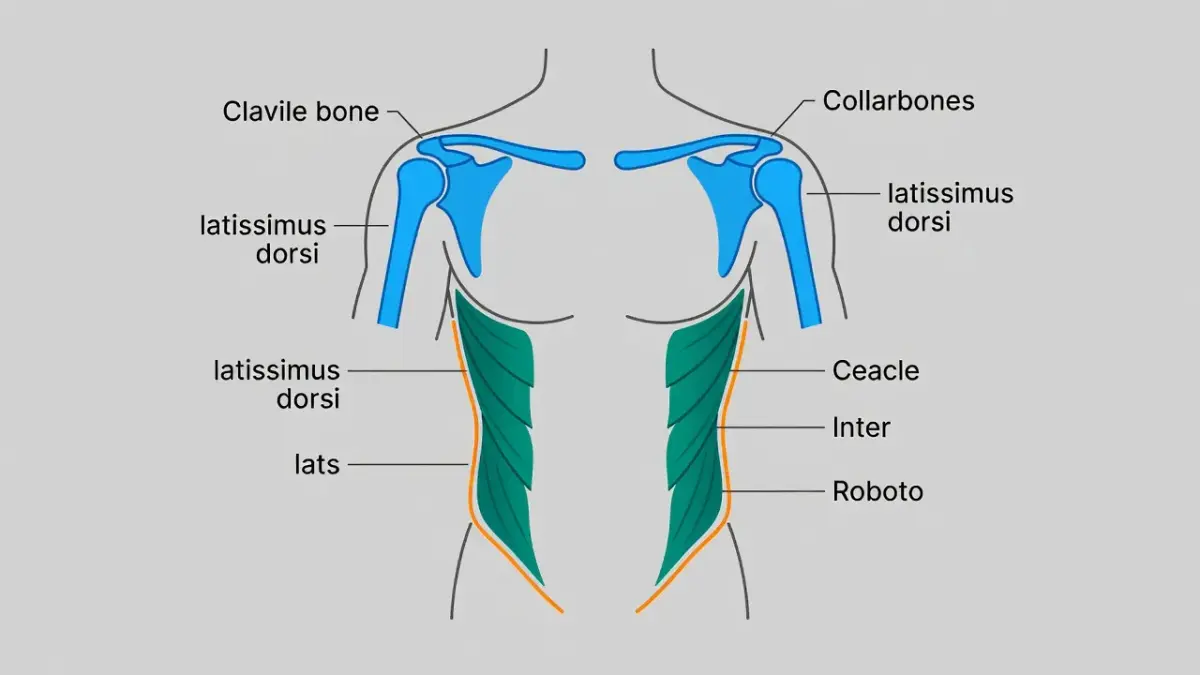
- The Clavicles and Deltoids: Broad shoulders provide the upper frame of the V. While clavicle bone width is genetically fixed, building the lateral (side) deltoid heads adds significant lateral width.
- The Latissimus Dorsi: These large, flat muscles span the middle and lower back. According to anatomical entries on the Latissimus dorsi muscle on Wikipedia, the lats originate along the spine and hip crest and insert into the upper arm, creating a wing-like sweep when fully developed.
- The Obliques and Core: A lean, tight waist forms the bottom point of the V. Excess visceral or subcutaneous fat around the lower abdomen directly disrupts the taper, regardless of shoulder size.
If you are currently evaluating your current physique before starting a workout program, reviewing your structural proportion of the body helps set realistic visual targets.
The Math Behind the V-Taper Ratio
The ideal V shape torso visual relies on a shoulder-to-waist ratio of approximately 1.618, often referred to in physical aesthetics as the Adonis Index. This mathematical proportion mirrors the Golden Ratio found across natural design and architecture.
Research published by the National Center for Biotechnology Information indicates that human visual perception consistently ranks a waist-to-shoulder ratio near 1.6 as an indicator of physical fitness and upper-body strength.
How to Calculate Your Ratio
- Measure Your Shoulders: Stand straight with arms down and wrap a flexible tape measure around the widest point of your shoulders, across the deltoids.
- Measure Your Waist: Wrap the tape around your natural waistline, usually located directly at the belly button level.
- Divide Shoulders by Waist: A shoulder measurement of 48 inches paired with a 30-inch waist yields a score of 1.60, hitting the classic visual target.
Shoulder Circumference / Waist Circumference = V-Taper Ratio
Example: 48 inches / 30 inches = 1.60
Hard Limits: Why Genetics Rule Out the Same V Shape for Everyone
Your skeleton sets hard anatomical boundaries on how pronounced your V shape torso can become, regardless of how hard you train. Muscle hypertrophy can expand your upper body, but bone structure dictates the structural ceiling.
When attempting to build or visualize a V-taper, three distinct anatomical factors determine your ultimate limits.
1. Clavicle Length
As noted in anatomical overviews on Britannica's clavicle anatomy guide, the collarbone serves as the only bony attachment between the upper limb and the axial skeleton. Individuals born with naturally wide clavicles possess a structural head start. Those with narrow collarbones must build significantly more deltoid mass just to match the visual shoulder width of a wider-framed person.
2. Muscle Insertion Points
High lat insertions attach higher up the spine and ribcage, leaving a longer gap above the waist. Low lat insertions extend lower down toward the hips. Low lat insertions create a much fuller, dramatic sweep straight into the belt line, whereas high insertions make a sharp V shape far harder to achieve visually.
3. Pelvic Bone Width
A naturally wide pelvic structure creates a broader base. Even with single-digit body fat, a wide hip structure caps how small your lower point can look. If your hips are wide, your primary path to a V shape requires aggressive upper-body width rather than chasing an impossible waist measurement.
How to Preview a V Shape Torso on Your Own Photos
Visualizing your body with a broad upper frame and tapered waist can keep you motivated during long fitness programs or elevate your photos on social media. Rather than guessing how you might look after months of training, digital editing and simulation tools let you preview those changes instantly.
If you want to quickly see how a tapered frame looks on your personal photos, an AI editor like BodyBlend offers one-tap tools specifically designed to generate a targeted body shape. Unlike traditional photo apps that require manual warping, it lets you test realistic muscular proportions on your existing frame without distorting your clothes or the background behind you.
Traditional Liquify Tools: Requires manual drag -> Warps walls and lines -> Inconsistent symmetry
AI Reshaping Apps: Recognizes body boundaries -> Preserves background -> One-tap natural proportions
Visualizing Options: Comparing Body Editing Tools
Choosing the right method to preview a V-taper depends on your technical skill, budget, and desired outcome. Manual editing offers full control but takes time, while dedicated AI visualizers streamline the process.
| Tool Category | Best Used For | Background Distortion Risk | Ease of Use | Cost Model |
|---|---|---|---|---|
| Manual Desktop Software (e.g., Photoshop) | Complex custom graphics and full studio retouching | High (if Liquify is used incorrectly without masking) | Low (requires advanced skill) | Monthly software subscription |
| One-Tap AI Body Editors (e.g., BodyBlend) | Fast target body previews and realistic social media edits | Zero (automatically keeps backgrounds straight) | High (one-tap preset selection) | Free download with Pro plan options |
| General Mobile Photo Apps | Simple filter application and color adjustment | Moderate (manual touch-up tools pull surrounding pixels) | Medium (requires steady hand) | Free with ads or in-app purchases |
| Prompt-Based AI Generators | Abstract visual ideas and digital artwork | High (replaces entire background and facial identity) | Medium (requires precise text prompts) | Pay-per-credit or tier subscriptions |
As shown in the breakdown above, automated shape tools offer a quick path for users who want to see realistic fitness changes without spending hours learning complex photo editing software. For a fuller comparison, see the top AI body shape apps of 2026.
The Role of Body Fat in the V-Taper Visual
Even if you possess wide shoulders and massive back muscles, a high body fat percentage completely masks a V shape torso. Fat storage around the lower abdomen, love handles, and lower back fills in the narrow point of the V, converting the silhouette into a rectangle or oval.
To make a V-taper visible in photos and in person, body fat generally needs to drop below specific thresholds:
- For Men: A V shape typically starts becoming clear around 12% to 15% body fat, with sharp definition appearing below 10%.
- For Women: A tapered upper body becomes visible around 18% to 22% body fat, though female fat distribution varies widely across the hips and waist.
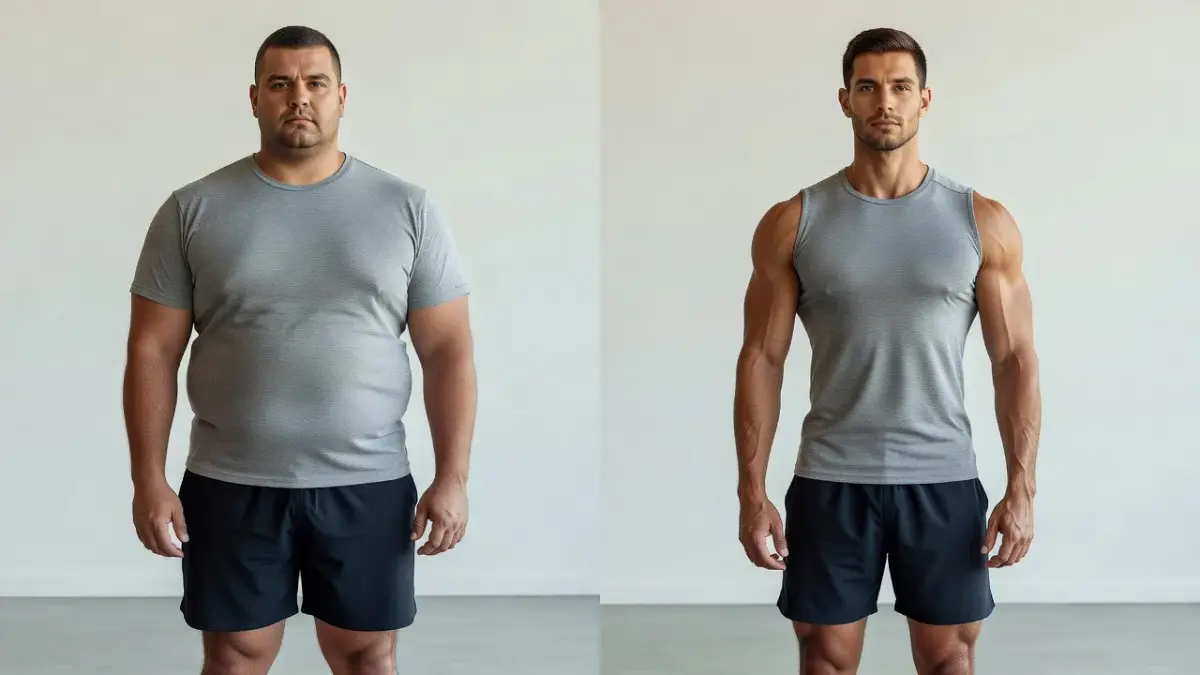
If your goal is to understand how your overall physique changes as you drop fat, checking resources on a full toned body definition gives you a realistic roadmap for body composition shifts.
3 Common Misconceptions About the V Shape Torso
Many fitness enthusiasts spend years performing the wrong exercises because they misunderstand what actually builds a tapered look. Clearing up these common myths prevents wasted effort in both the gym and your digital body edits.
Myth 1: Side Bends Build a Smaller Waist
Working the obliques with heavy side bends actually builds thickness on the sides of your waist. To maximize the visual dip of a V-taper, focus on building the lats outward while keeping heavy oblique work moderate.
Myth 2: You Can Spot-Reduce Waist Fat
You cannot target fat loss exclusively around your lower back and belly. Body fat comes off systematically across your entire body based on genetics and a sustained caloric deficit.
Myth 3: Only Men Can Have a V Shape Torso
While the classic V shape is heavily popularized in men's physique divisions, athletic female figures often develop a pronounced athletic taper. Broad lats paired with a slim waist create an hourglass-meets-V profile that highlights upper body athletic conditioning. You can browse other body shape names and descriptors for similar blends.
Digital Previews vs. Real Workout Progress
Digital visualizers serve as a mental map for your fitness journey, but real physical changes take time and targeted training. Using an app like BodyBlend to simulate your potential physique lets you set clear personal aesthetic targets before lifting a single weight.
If you are exploring digital visualizers to motivate your fitness routine, exploring specialized best AI muscle generators for workouts and photos can help you decide which visual format fits your tracking style best.
When setting up your initial progress photos, keep these simple guidelines in mind:
- Take Standardized Photos: Use neutral lighting and stand flat against a plain wall.
- Generate Your Goal Silhouette: Apply a targeted shape or muscular edit to see your realistic visual direction.
- Track Real Progress Monthly: Compare original update photos against your early digital target to stay on track.
Step 1: Capture standard photo -> Step 2: Simulate target V-taper -> Step 3: Match progress over 12-24 weeks
Summary Checklist for Achieving a V-Taper Look
Building or presenting a classic V shape torso comes down to managing width at the top and tightness at the bottom. Whether you are working out in the gym or editing a picture for your profile, focus on these core elements:
- Build Deltoid Mass: Target lateral raises to push shoulder width outward.
- Develop Lat Width: Focus on wide-grip pull-ups and lat pulldowns to broaden the upper back.
- Manage Core Size: Avoid heavy weighted side rotational exercises that thicken the midsection.
- Lower Body Fat: Maintain a balanced diet to lean out the lower waistline.
- Visualize Realistic Goals: Use clean digital previews to set achievable expectations based on your bone structure.
Frequently Asked Questions
What muscle group is most important for a V shape torso?
The latissimus dorsi (lats) muscle group is the single most important factor for a V shape torso. When developed, the lats spread outward from the middle back toward the armpits, creating the wide upper wings that form the top arms of the V shape.
Can you get a V shape torso with narrow shoulders?
Yes, you can develop a V shape torso even with naturally narrow shoulders. While narrow clavicles limit your structural width, building the lateral heads of your deltoid shoulder muscles and increasing lat size creates the illusion of broader shoulders.
How long does it take to get a visible V-taper?
Achieving a visible V-taper typically takes 3 to 6 months if your body fat is already low. If you need to lose significant waist fat while building upper body muscle mass, the process usually takes 6 to 12 months of consistent resistance training and calorie management.
Does a V shape torso require a low body fat percentage?
Yes, low body fat is critical for a clear V shape torso. Even if your upper back and shoulders are well-developed, carrying extra fat around your waist and hips fills in the bottom point of the V, turning the silhouette into a straight rectangle.
Can women develop a V shape torso?
Yes, women can develop a clear athletic V shape torso. Female swimmers and gymnasts naturally develop pronounced lats and shoulder width, which creates a tapered upper body while maintaining a slim waist.
How do photo editors widen shoulders without distorting the background?
Modern AI photo editors identify the exact outline of your body using machine learning rather than pulling surrounding pixels. This allows the software to adjust upper body width or waist size without bending background objects like walls, doorframes, or tiled lines.
What is the ideal shoulder-to-waist ratio for a V-taper?
The classic ideal shoulder-to-waist ratio is approximately 1.618, often called the Adonis Ratio. This means your shoulder circumference measured around the widest point of your deltoids should be about 1.6 times larger than your waist circumference at the narrowest point.