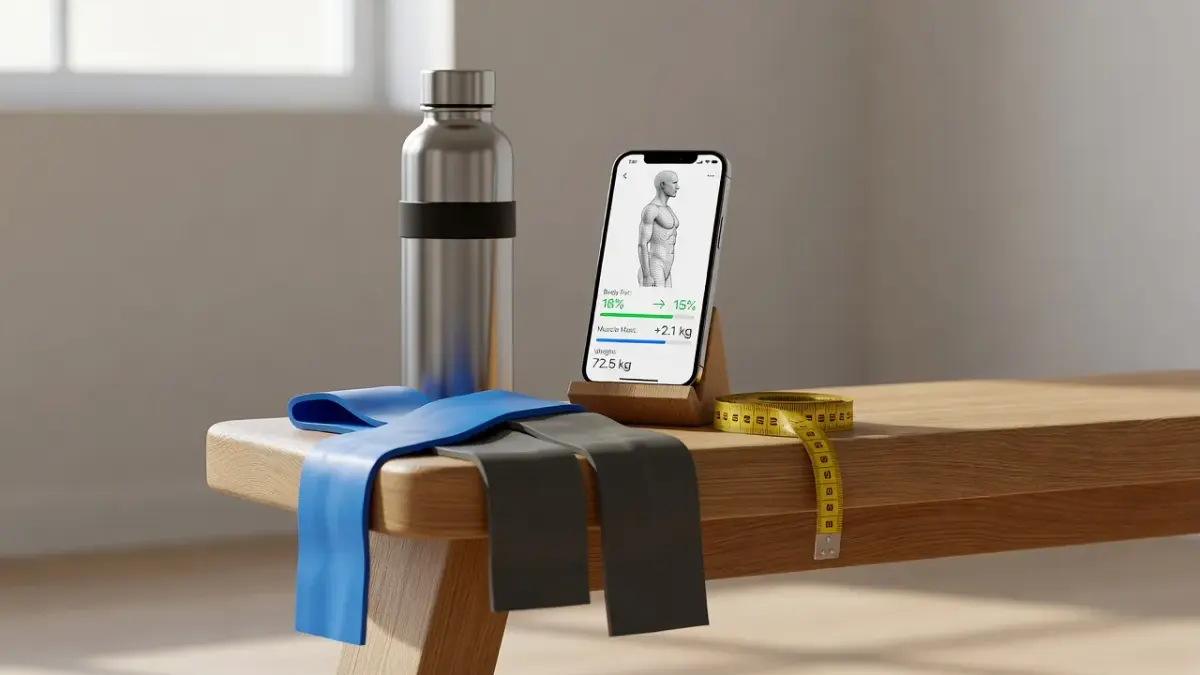
A fitness transformation is the process of altering body composition - typically dropping body fat and gaining lean muscle - through consistent resistance training, nutritional control, and lifestyle habits over 8 to 52 weeks. Achieving significant visual progress requires a sustained caloric deficit for fat loss or a strategic surplus for muscle gain, paired with progressive overload in the gym. For those wanting to preview their potential results before committing to a multi-month regimen, digital tools like BodyBlend offer instant AI body reshaping directly on personal photos.
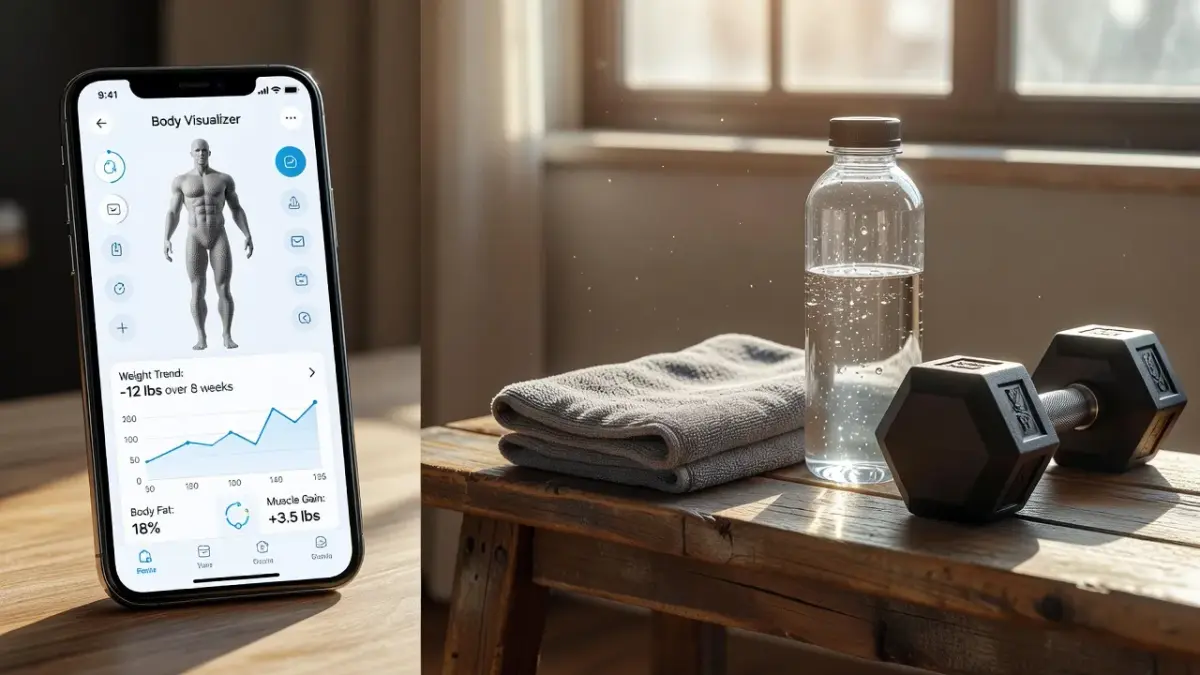
Scenario 1: The 3 Month Fitness Transformation for Aggressive Fat Loss
A 3 month fitness transformation is ideal for individuals seeking noticeable fat loss and moderate muscle toning without reaching extreme fatigue. In 12 weeks, a safe rate of weight loss ranges from 1 to 2 pounds per week, meaning a realistic goal is dropping 12 to 24 pounds of body mass while maintaining existing lean muscle tissue. Those chasing a shredded look can review the shred body type targets first.
To maximize progress during a 12-week push, your diet and training structure must remain rigid:
- Caloric Deficit: Target a daily deficit of 500 to 750 calories below your Total Daily Energy Expenditure (TDEE).
- Protein Intake: Consume 0.8 to 1.0 grams of protein per pound of target body weight daily to preserve muscle mass.
- Strength Training: Execute a 3- to 4-day resistance training split focusing on compound movements like squats, deadlifts, and overhead presses.
- Cardio Integration: Add 150 minutes of Moderate-Intensity Steady-State (MISS) cardio per week, such as brisk walking or incline treadmill sessions.
A common obstacle during a short block is psychological fatigue; physical changes can take 4 to 6 weeks to show up clearly in a mirror. Using a body weight visualizer guide can help you set realistic visual expectations for your frame before starting your diet.
Scenario 2: The 1 Year Fitness Transformation for Total Body Recomposition
A 1 year fitness transformation provides sufficient time to achieve complete body recomposition, allowing beginners to drop 30+ pounds of fat or add 10 to 15 pounds of lean muscle mass. Spreading your goals across 52 weeks eliminates the need for extreme starvation diets and prevents the physical burnout associated with short-term challenges.
Month 1-3  : Initial Fat Loss Phase (Establish habits, build strength baseline)
Month 4-6  : Maintenance & Recomposition (Refine training volume, increase intensity)
Month 7-9  : Hypertrophy Focus (Slight caloric surplus or maintenance to build muscle)
Month 10-12: Mini-Cut & Definition (Trim excess fat to reveal muscle growth)
A full-year timeline allows for structured phases of training. As of November 2026, evidence-based strength programs emphasize periodization - cycling through strength, hypertrophy, and recovery blocks over several months. To assess how muscle mass alters your physique over a longer timeline, reviewing toned body definition guidelines ensures your training aligns with your visual target.
Scenario 3: Female Transformation Fitness and Shaping
Female transformation fitness requires a specialized approach that prioritizes glute development, core stability, and upper-body symmetry without unnecessary severe calorie restrictions. Due to endocrine differences, women often experience different fat distribution patterns than men, typically storing stubborn fat around the hips, thighs, and lower abdomen.
To optimize a female fitness transformation, structure your routine around these three pillars:
- Progressive Hip Thrusts and Squats: Train glutes 2 to 3 times per week using heavy compound resistance to build structural curve and metabolic tissue.
- Adequate Calorie Support: Avoid dropping below 1,200 to 1,400 calories daily; chronic low-energy availability leads to hormonal disruption and adaptive thermogenesis.
- Tracking Non-Scale Victories: Rely on waist-to-hip measurements, progress photos, and strength increases rather than the bathroom scale, which fluctuates due to fluid retention across menstrual cycles.
Women aiming to highlight specific aesthetic goals often focus on shoulder-to-waist ratios to create an athletic frame. Exploring the V shape torso guide offers practical methods for balancing upper body training with lower body muscle growth.
Scenario 4: The Before and After Fitness Transformation for Social Media & Progress Tracking
Documenting a before and after fitness transformation requires standardized lighting, posture, and camera angles to accurately track visual changes over time. Inconsistent photos can make real physical progress invisible or create false visual results due to altered shadows and angles.
To take accurate progress photos, adhere to these simple framing rules:
- Consistent Timing: Take photos first thing in the morning after using the bathroom and before consuming food or water.
- Neutral Lighting: Stand facing a natural light source (like a window) rather than directly under harsh overhead lights, which exaggerate or mask shadows.
- Fixed Angles: Set your camera at chest height, taking three standard shots: front, side, and back relaxed postures.
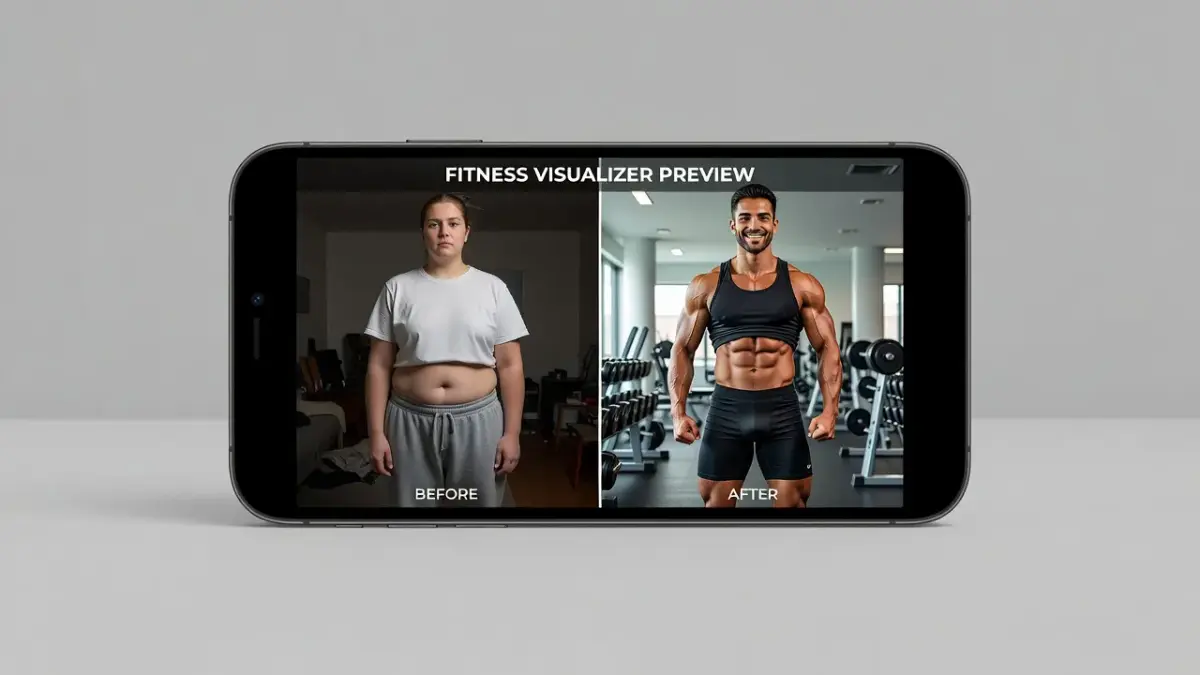
If you are just beginning your journey and want to see how target muscle growth or weight loss will alter your current photos, digital editing tools bypass the wait. Using specialized apps to review before and after photos lets you generate visual benchmarks instantly.
Does Noom work for weight loss, according to clinical studies?
Yes, clinical studies indicate that Noom is effective for short-term and long-term weight loss due to its focus on psychological behavior change and calorie tracking. A major study published in Scientific Reports analyzed over 35,000 Noom users and revealed that 77.9% of participants lost weight while using the app over an average period of 26 weeks.
The platform works primarily by categorizing foods using a color-coded volumetric system (green, yellow, orange) based on caloric density. This system encourages high-volume, low-calorie foods (like vegetables and whole grains) while keeping users in a daily deficit.
However, Noom does not provide strength training or resistance programming. If your goal is a complete body transformation that involves building muscle rather than simply shrinking your total mass, you must pair Noom's nutritional app with a structured lifting program.
Do CrossFit transformation success stories hold up to scrutiny?
Yes, CrossFit transformations hold up to scrutiny because the high-intensity functional training builds significant lean muscle while burning substantial calories. The combination of heavy Olympic weightlifting, gymnastics, and cardiovascular conditioning causes dramatic physical shifts, particularly for beginners who undergo rapid neuromuscular adaptation.
The dramatic visual results seen in transformation fitness #gym posts from CrossFit athletes stem from three specific factors:
- High Metabolic Demand: Workouts of the Day (WODs) keep heart rates elevated, maximizing calorie expenditure during and immediately after the session.
- Compound Force Generation: Exercises like thrusters, clean and jerks, and pull-ups engage major muscle groups simultaneously, stimulating muscle hypertrophy.
- Community Accountability: The group class structure drives high adherence rates compared to unguided solo gym routines.
The primary risk associated with CrossFit transformations is injury from excessive volume or poor form during fatigued states. Beginners should complete a dedicated technique onboarding series before attempting high-velocity timed workouts.
Is Renaissance Periodization coaching effective for transformations?
Yes, Renaissance Periodization (RP) coaching is exceptionally effective for fitness body transformations because it uses strict, evidence-based macro-nutritional templates tailored to your training schedule. Designed by exercise scientists and nutrition Ph.Ds, the RP methodology relies on precise periodization of protein, carbohydrates, and fats around your workouts.
The RP system operates on four strict rules:
- Calorie Control: Adjusting intake based on real-time body mass changes week-over-week.
- Macronutrient Timing: Consuming the majority of daily carbohydrates intra-workout and post-workout to maximize glycogen replenishment and muscle protein synthesis.
- Auto-Framed Cut/Mass Cycles: Enforcing strict 6 to 12-week fat loss "cuts" followed by maintenance phases to reset metabolic rate.
- Volume Periodization: Matching food intake directly to resistance training workload.
While RP delivers reliable structural body changes, the meal precision requires weighing food on digital scales and eating at fixed times. It suits disciplined individuals focused on maximal body composition changes over those wanting casual lifestyle adjustments.
Do StrongLifts 5x5 and Starting Strength deliver real transformation results?
Yes, both StrongLifts 5x5 and Starting Strength deliver rapid, noticeable transformation results for novice lifters by prioritizing linear progression on core compound lifts. These classic programs force early strength adaptation by adding 5 pounds to the barbell every single workout across multi-joint movements.
StrongLifts 5x5 Routine A: Squat (5x5), Bench Press (5x5), Barbell Row (5x5)
StrongLifts 5x5 Routine B: Squat (5x5), Overhead Press (5x5), Deadlift (1x5)
The strength and physical foundations built by these programs rely on core mechanics:
- Mechanical Tension: Lifting heavy weights through full ranges of motion signals the central nervous system to recruit type II fast-twitch muscle fibers.
- Simplicity: By limiting workouts to three exercises per session, novice lifters master form quickly without suffering from "exercise variation" confusion.
- Rapid Lower Body & Core Growth: Squatting three times per week builds foundational glute, quad, and spinal erector density faster than isolation-focused routines.
However, because these programs use low rep ranges (5 repetitions per set), they prioritize raw strength over pure aesthetic isolation. Once a lifter stalls on linear progression - typically after 4 to 6 months - transitioning to a hypertrophy-focused split is required for targeted body shaping. Choosing between lean muscle vs bulk muscle goals will shape how you eat during that split.
Is HIIT effective for fat loss and weight loss?
Yes, High-Intensity Interval Training (HIIT) is highly effective for fat loss because it burns significant calories in short durations and elevates post-exercise oxygen consumption. Research published via the National Center for Biotechnology Information (NCBI) demonstrates that HIIT produces comparable body fat reductions to traditional continuous endurance exercise while requiring up to 40% less total time commitment.
HIIT drives body fat reductions through two physiological mechanisms:
- Excess Post-Exercise Oxygen Consumption (EPOC): High-intensity bursts exhaust intramuscular phosphagen stores, forcing your body to consume oxygen and burn calories at an elevated rate for hours post-workout.
- Preservation of Muscle Tissue: Unlike long-distance cardio, which can increase muscle protein breakdown, short sprint intervals recruit fast-twitch muscle fibers, preserving lean mass during a calorie deficit.
To avoid central nervous system fatigue, limit true HIIT sessions (such as all-out assault bike sprints or hill sprints) to 20–30 minutes, 2 to 3 times per week.
Is Precision Nutrition coaching effective for transformations?
Yes, Precision Nutrition coaching is effective for sustainable transformations because it focuses on habit-based habit stacking rather than rigid, restrictive meal plans. Instead of handing clients a fixed list of prescribed foods, Precision Nutrition uses a step-by-step habit system designed to overhaul nutritional behavior permanently.
Key components of the Precision Nutrition methodology include:
- Hand-Portion Guidelines: Measuring macronutrients using your hand (palm for protein, fist for vegetables, cupped hand for carbs, thumb for fats) to remove the stress of scale-weighing.
- Outcome-Based Decision Making: Modifying intake based on real-world energy levels, sleep quality, and physical progress rather than strict numerical targets.
- Behavior-First Coaching: Addressing emotional eating, stress management, and daily routines before attempting advanced dietary manipulation.
This approach works exceptionally well for long-term weight maintenance, female transformation fitness goals, and individuals who struggle with the rigid constraints of traditional macro tracking.
Technical Visualizers vs. Manual Photo Editors for Tracking Goals
When tracking or setting visual goals for a transformation personal fitness journey, visual aid tools help keep motivation high. Reviewing the best apps for comparing before and after photos can help you pick the right tool for this task. However, traditional manual editing software like Photoshop or Liquify-based body editing apps require complex manual brush strokes and often produce obvious visual flaws, such as curved door frames, blurred clothes, or distorted backgrounds.
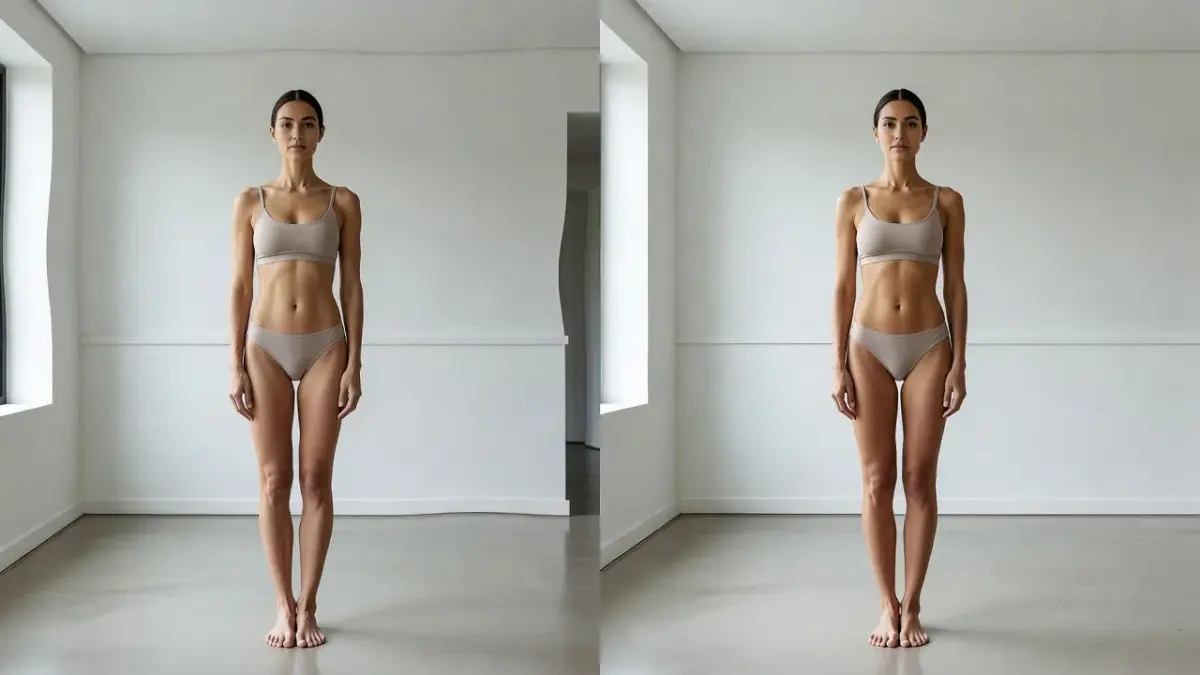
Modern generative AI tools process body structure differently. Instead of warping existing pixels on an image, dedicated AI models analyze human posture, isolate body contours, and render realistic muscular or slim edits while preserving original backgrounds, clothing textures, and skin tones intact.
| Tool Category | Reshaping Technology | Background Protection | Ease of Use | Best Used For |
|---|---|---|---|---|
| Manual Liquify Apps | Pixel pushing / manual stretching | Poor (Warps surrounding lines) | Low (Requires manual skill) | Quick minor retouching |
| Generative AI Chatbots | Full scene generation | Low (Changes face, room, and clothes) | Medium (Requires text prompts) | Concept art & non-photo tasks |
| BodyBlend | Targeted neural body reshaping | High (Background & face untouched) | High (One-tap preset selection) | Realistic fitness goal visualization |
| Photoshop Desktop | Manual layer masks & liquify | High (If user is highly skilled) | Very Low (Professional software) | Professional graphic design |
For users looking to preview potential transformation results without learning complex software, BodyBlend offers a streamlined solution available on iPhone, iPad, and Duo. Unlike manual brush tools that drag background elements out of alignment, BodyBlend utilizes specialized AI to isolate body structures.
Users upload a photo, select from 17 preset body shapes (including Muscular, Fit, Ripped, Hourglass, and Slim) or 11 single body part edits (such as visible abs, small waist, or muscular arms), and generate a realistic visualization in one tap. The app keeps the original face, skin tone, clothing, and background completely unchanged. Available as a free download with one free generation included, full access continues via a Pro subscription (typically $9.99 per week or $14.99 per month). It allows fitness enthusiasts to visualize their target physique accurately before starting a training block.
Frequently Asked Questions
How long does a realistic fitness transformation take?
A realistic fitness transformation takes between 12 weeks for noticeable fat loss and up to 12 months for significant muscle building and body recomposition. Safe weight loss averages 1 to 2 pounds per week, while beginner muscle growth averages 1 to 2 pounds per month.
What is the most effective diet for a fitness body transformation?
The most effective diet is one that maintains a high-protein intake (0.8–1.0g per pound of body weight) while keeping you in a controlled calorie deficit for fat loss or a slight calorie surplus for muscle gain. Prioritizing whole, minimally processed foods ensures dietary adherence and optimal recovery.
Can you achieve a fitness transformation without going to the gym?
Yes, you can achieve a fitness transformation using bodyweight calisthenics, progressive resistance bands, and strict caloric control at home. However, access to adjustable resistance equipment like barbells and dumbbells speeds up hypertrophy and structural muscle development.
How often should I take progress photos during a transformation challenge?
You should take progress photos once every two to four weeks under consistent morning lighting, fasting conditions, and neutral posture. Daily photos are discouraged because fluid retention and day-to-day weight fluctuations obscure true structural progress.
What is the difference between body weight loss and body recomposition?
Body weight loss refers strictly to a reduction in total body mass, which can include fat, muscle, and water weight. Body recomposition refers to losing fat while simultaneously building lean muscle mass, which reshapes your physique without necessarily causing large drops on the bathroom scale.
How do AI body visualizer apps help with fitness goal setting?
AI body visualizer apps allow you to render realistic target body shapes onto your current photos, providing a clear visual representation of how increased muscle mass or decreased body fat will look on your specific frame. This helps establish practical physical goals and maintains training motivation.